
Cutting rubber cow mats isn’t difficult, but it’s easy to be wrong. A poor cut can leave gaps between mats, create uneven edges, and make cleaning more difficult. In busy dairy farms, badly fitted mats can also move over time and wear out faster. So cutting them correctly is one of the most important steps.
AOBO this guide explains the best way to cut rubber cow mats, what tools work best, and how to avoid common installation mistakes.
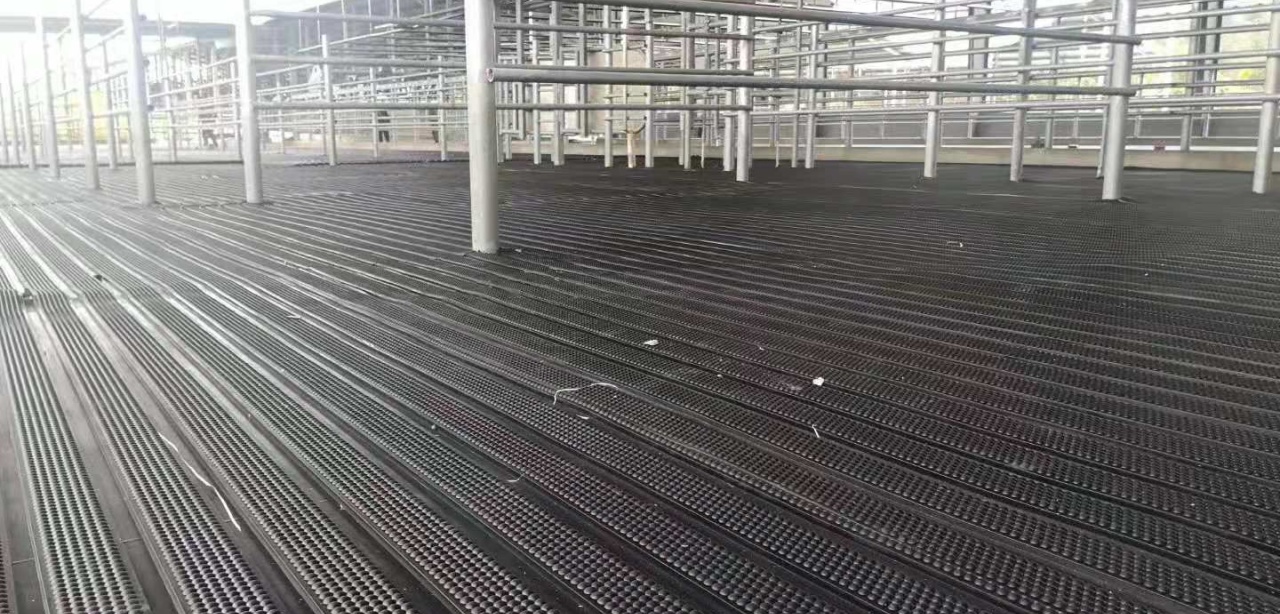
Why Proper Cow Mat Cutting Matters
Many people focus on the mat itself but ignore the cutting process. In reality, poor cutting can affect the entire installation.
Properly cut cow mats create a much cleaner and tighter installation. When the mats fit correctly, there are fewer gaps between sections, which helps prevent movement during daily use. This is especially important in high-traffic areas.
Good cutting also helps improve hygiene. Large gaps often collect moisture, water, and dirt, making cleaning more difficult. A properly sized mat is easier to clean. At the same time, smooth and even edges help create a safer walking surface for cows.
Why Cow Mats Are Difficult to Cut
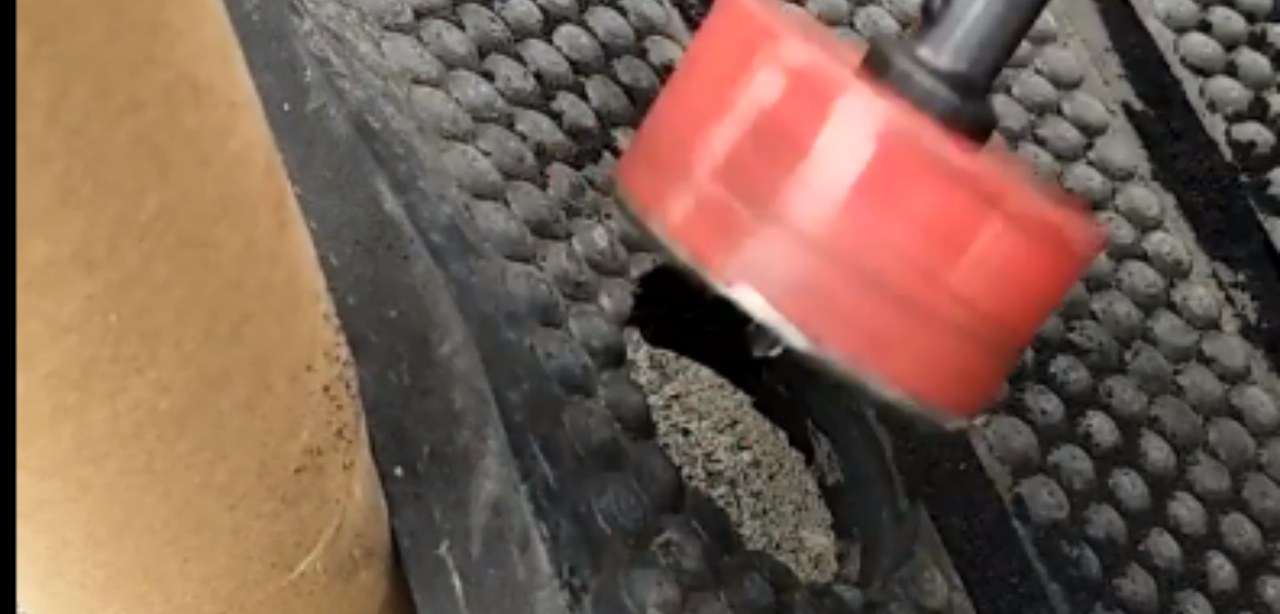
Rubber cow mats are always thick and heavy, so they are difficult to cut. Some mats are made from solid rubber, while others include foam layers or reinforced structures inside the mat.
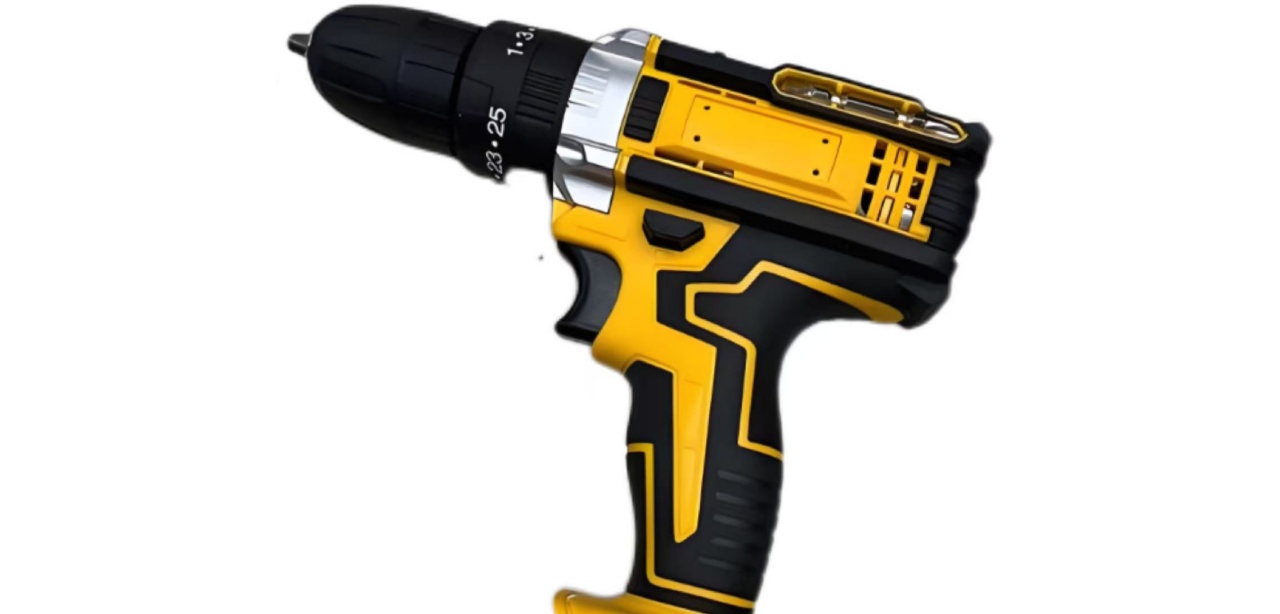
The thickness and structure of the cow mat also affect which tool should be used. Thin rubber mats can usually be cut with a utility knife, while thicker cow mats often require a jigsaw or circular saw for fast cutting.
Choosing the correct tool and cutting method is important because it not only improves the final appearance of the installation but also helps reduce material waste and installation time.
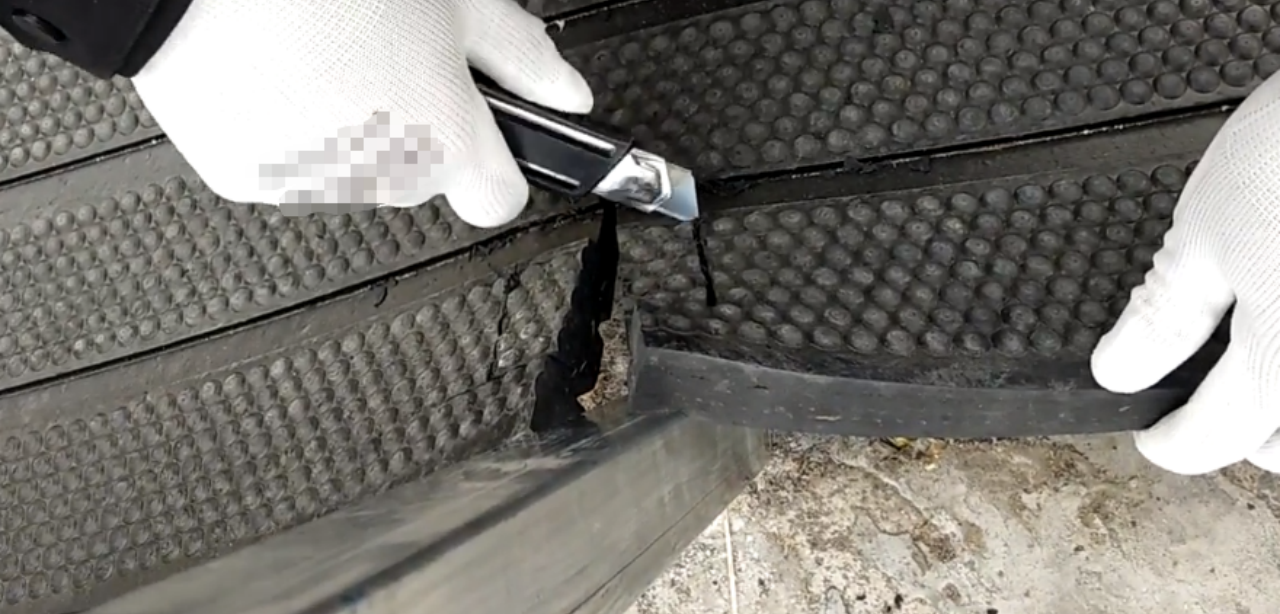
AOBO Tell You the Best Tools for Cutting Cow Mats
Different tools work better for different mat thicknesses and installation situations.
Utility Knife
A utility knife is the most common tool for thinner rubber mats.
Jigsaw
A jigsaw works well for medium-thickness cow mats
Circular Saw
A circular saw is often the fastest way to cut thick rubber cow mats.
Reciprocating Saw
A reciprocating saw can cut very thick or reinforced rubber mats.
Choosing the right tool can help improve cutting efficiency
A straight ruler/long measuring tape
Keep the cutting line accurate.
Chalk/white marker
mark the cutting area clearly on the rubber surface.
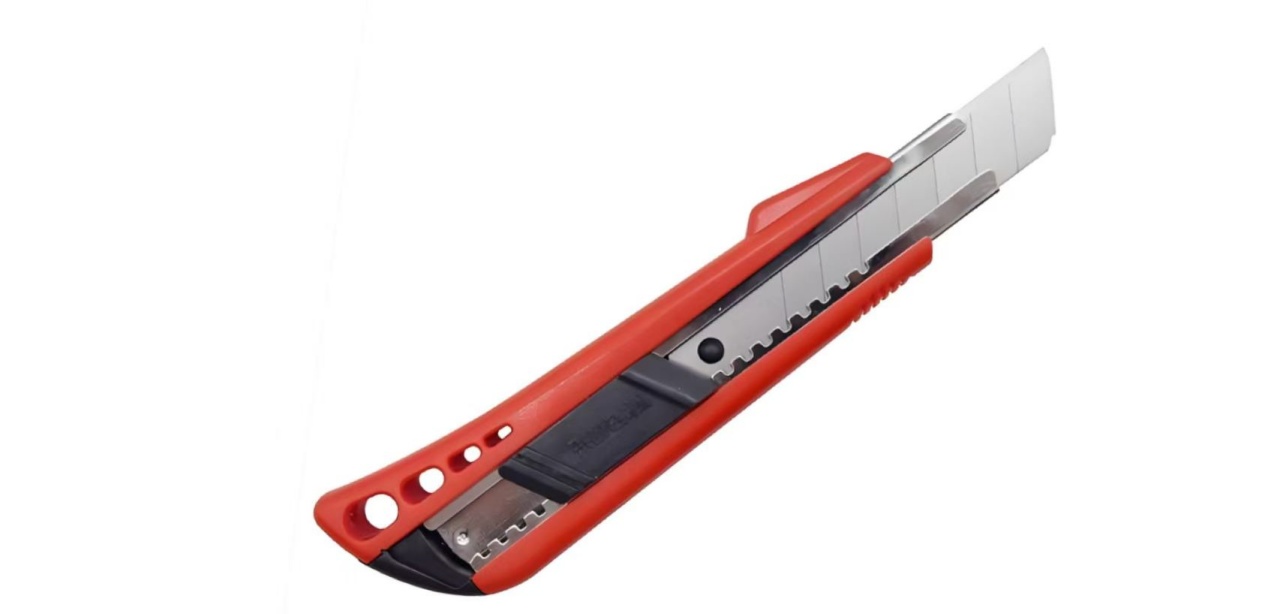
AOBO Suggest You: Recommended Tools by Dairy Rubber Flooring Thickness
| Recommended Tools for Different Cow Mat Thickness | |
| Thickness | Recommended Tool |
| ≤15mm | Utility knife |
| 15-20mm | Jigsaw |
| 20-30mm | Circular saw |
| ≥30mm | Circular saw or reciprocating saw |
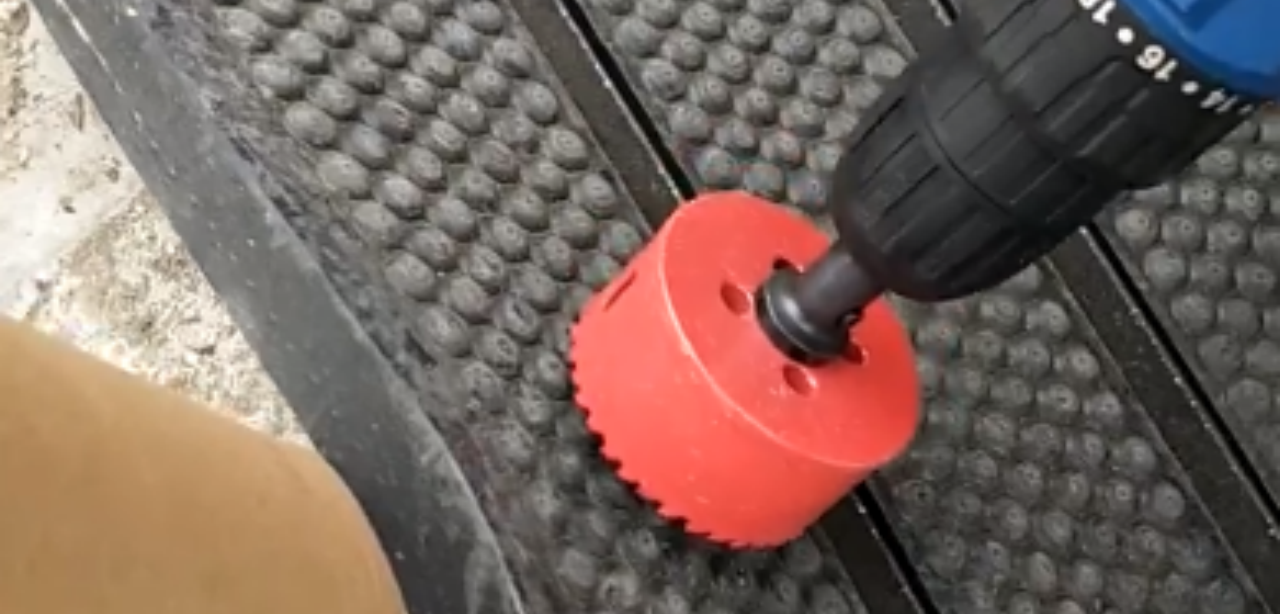
Step-by-Step Guide: How to Cut Rubber Cow Mats
- Step 1: Measure the Area
Before cutting the cow mats, carefully measure the installation area. Measure both the length and width. It is always better to measure twice before cutting. Even a small measuring mistake can leave visible gaps or cause the mat to fit poorly.
- Step 2: Mark the Cutting Line
Place the rubber mat on a flat ground before cutting.
Large or heavy mats can move during cutting, which may lead to uneven edges or inaccurate cuts. You can place weight on the mat to keep it stable. Then use a piece of chalk or a white marker pen and a ruler to draw lines
- Step 3: Cut the Rubber Slowly
Do not try to cut through thick rubber for the first time. Instead, make several light cuts and gradually deepen the blade until the mat is fully cut. This method can make clean edges and improve cutting accuracy.
- Step 4: Check and Trim the Edges
After cutting, place the mat into position and check whether it fits the walls and corners. If it doesn’t fit the gap well, trim it again.
AOBO Help You Avoid Common Mistakes When Cutting Cow Mats
Using a Dull knife
A dull knife not only requires more effort but also results in rough cutting edges, so it is important to prepare sharp blades and have extra blades.
Cut Too Fast
Fast cutting creates heat and friction. This may melt rubber edges and reduce cutting accuracy, so slow and steady cutting works better.
Ignore Expansion Space
Rubber may expand slightly in warm conditions. This means you need to leave a gap between the rubber mats and the walls.
Conclusion
Although cutting cow mats may seem simple, the right tools and correct cutting method can make a big difference during installation. Clean cuts help the mats fit better. Taking time to cut carefully can help save installation time, reduce material waste, and extend the service life of the mats. A well-cut cow mat not only looks more professional, but also performs better in the future. If you still don’t know how to cut the cow mat, contact AOBO now for more detailed information. Welcome to get your messages.
 English
  Spanish
  Russian
  Arabic
  German
