
Introduction
Your mining equipment works hard every day. Rocks, ore, and slurry hit your chutes, pipes, tanks, and mills all the time. Over time, this wears down bare steel fast. And when your equipment fails, it costs you in three ways: sudden downtime you did not plan for, money spent on repairs and new parts, and lost production while your line is not running.
This is a common problem for mining companies all over the world. The good news is, there is a simple fix: rubber lining.
At AOBO, we make rubber lining for mining equipment. In this article, we will show you what rubber lining is, what damages your equipment, how rubber lining protects it, and where you need it most.
What Is Rubber Lining?
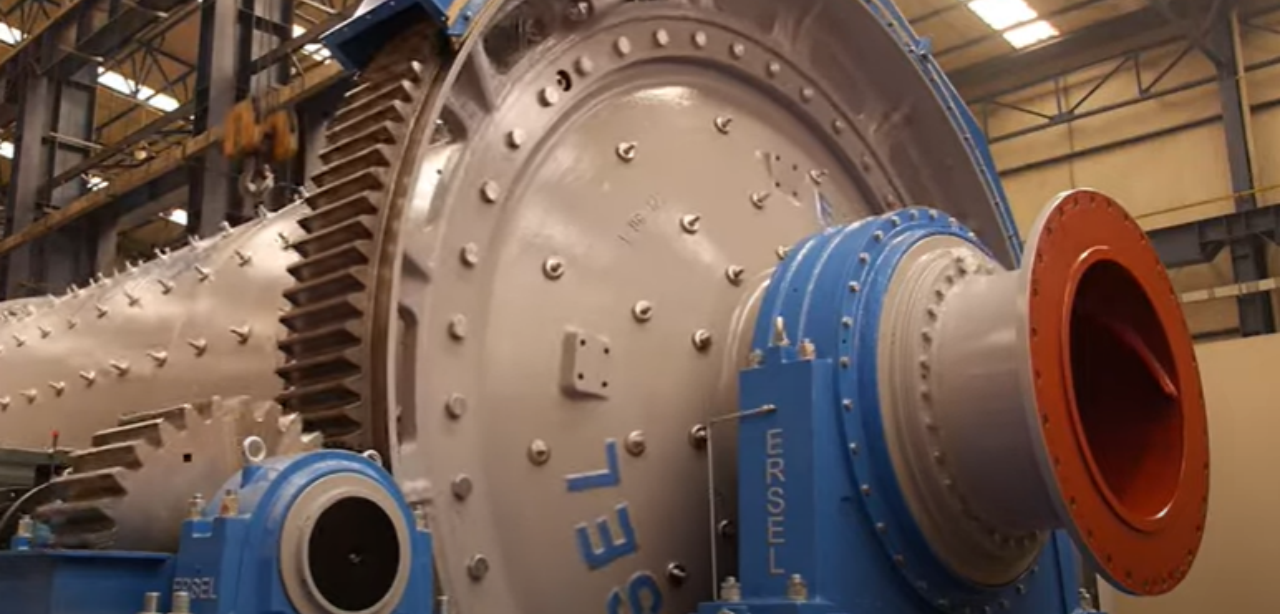
Rubber lining is a layer of rubber. It covers the inside or outside of your equipment. It sits between the metal and the rocks, ore, or slurry that hit it every day. You can think of it like armor for your steel.
Rubber can bend. Steel cannot. When rock hits rubber lining, the rubber takes the hit. Your metal stays safe under it. Natural rubber also has a self-healing feature: small scratches on the surface can close back up on their own, so small damage does not turn into a big crack.
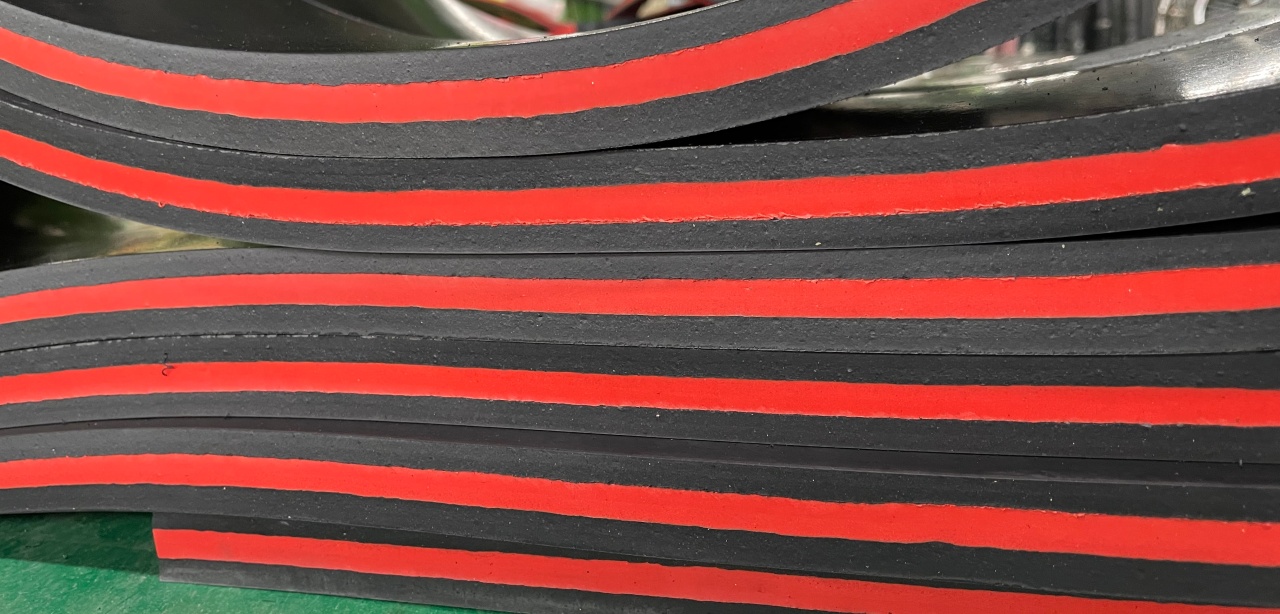
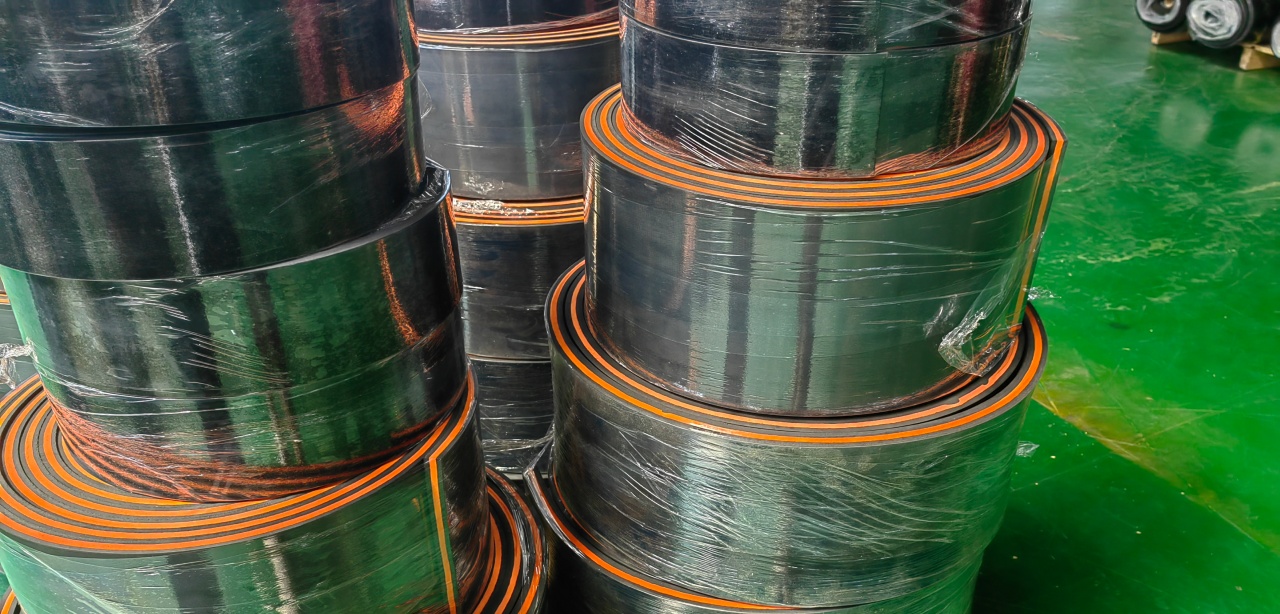
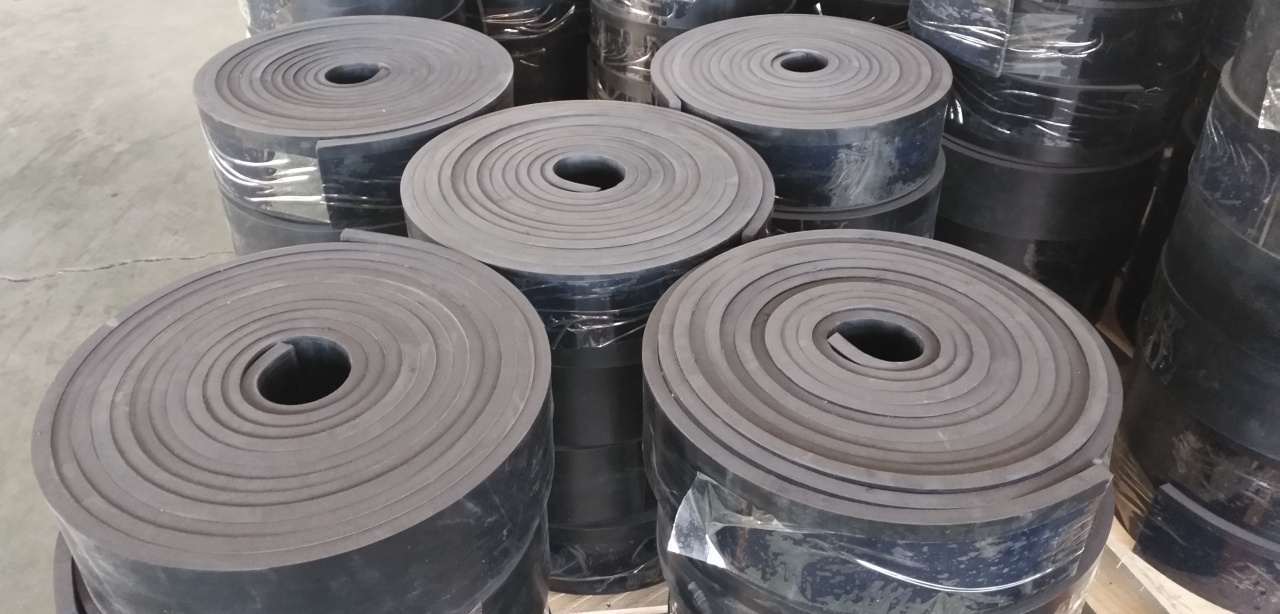
AOBO makes rubber lining in sheets, rolls, and custom shapes. No matter what your equipment looks like, we can make lining for it.
What Damages Your Mining Equipment?
Before we talk about how rubber lining helps, let’s look at what your equipment is really up against:
Impact — big rocks and heavy loads drop from a height and hit your chutes, hoppers, and bins hard
Abrasion — sharp, rough material rubs against metal all day and slowly grinds it down
Slurry erosion — wet slurry moving fast through pipes and tanks wears away metal little by little
Corrosion — water and chemicals attack bare metal and cause rust over time
Most equipment failures come from one or more of these four problems. Rubber lining is built to fight all four at the same time.
How Rubber Lining Protects Your Equipment
- It Takes the Impact
Big rocks falling into a chute or hopper can dent and crack bare metal. Rubber lining bends when it gets hit. It takes the shock so your steel does not have to. This works best when the impact hits the surface straight on. That’s why rubber lining is a top choice for chutes and hoppers, where material drops straight down onto the surface.
- It Fights Wear and Abrasion
Ore and rock are rough. They rub against metal all day. This wears steel down fast. Rubber lining is made to handle this kind of wear. So your equipment can work longer before you need to fix or change it.
- It Handles Slurry Erosion And Keeps Material Moving
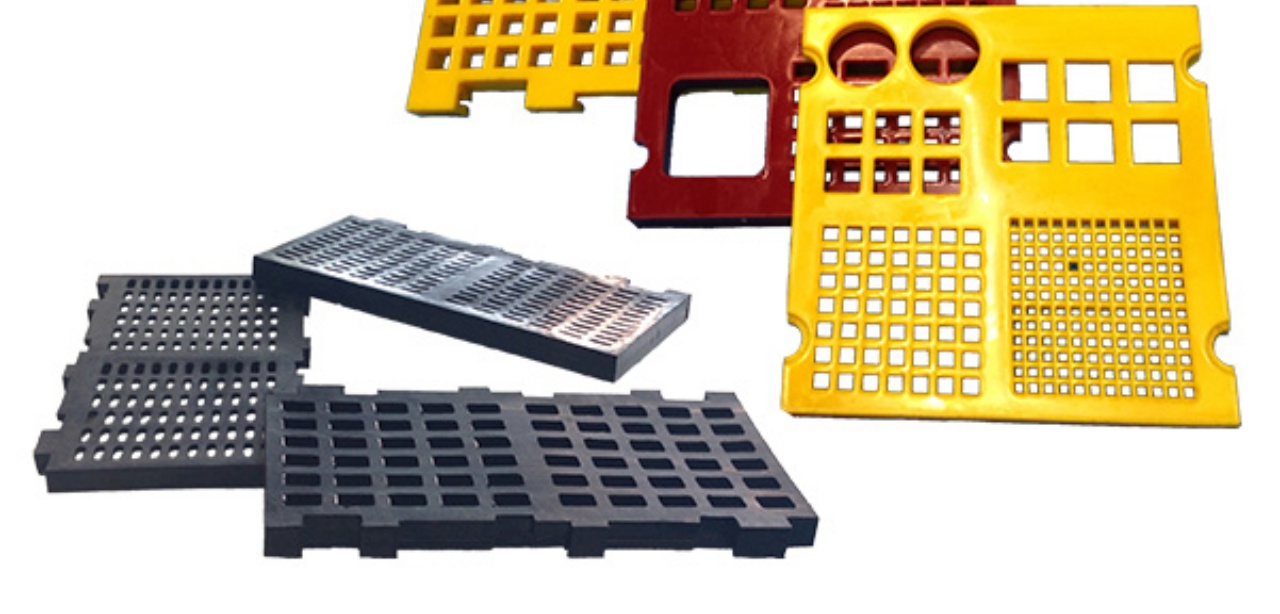
Wet slurry moving fast through pipes and tanks is one of the toughest jobs for any lining. Rubber lining gives a smooth, flexible surface that slows down this kind of wear. It also helps material slide through more easily, so screens and grate plates are much less likely to clog. Less clogging means more material gets through, which means higher output for you.
- It Stops Rust
Many mining jobs use water and chemicals. Over time, this can make bare metal rust. Rubber lining covers the surface and seals tight, even around bolt holes and edges. Water and chemicals cannot get through, so your steel stays dry and does not rust as fast.
- It’s Lighter Than Steel
Rubber lining weighs less than steel plate. A lighter liner means less stress on your bearings and moving parts, and your equipment uses less energy to run. Over a year, that adds up to real savings on your power bill, not just your repair bill.
- It’s Safer to Install and Handle
Steel liners are heavy and sharp on the edges, which makes them harder and more dangerous to work with. Rubber lining is much lighter and more flexible, so your team can install and handle it more safely, with less risk of injury on the job.
- It Makes Less Noise
Bare metal equipment is loud. Rocks hitting steel make a lot of noise. Rubber lining also cuts down the noise, not just the impact. AOBO’s rubber lining can lower equipment noise by up to 15 decibels. In fact, thick enough rubber lining can bring noise down so much that your team may not even need earplugs on site.
What Affects How Long Your Rubber Lining Lasts?
Not all rubber lining wears out at the same speed. A few things decide how long yours will last:
Impact angle — lining takes a hit best when material lands straight on; sharp, low angle hits wear it down faster
Particle size and hardness — bigger, harder rocks and ore wear lining down quicker than fine, soft material
Speed — faster-moving material and slurry cause more wear over the same amount of time
Heat — high temperatures can shorten the life of rubber lining
Lining thickness and fit — a lining that fits well and has enough thickness for the job simply lasts longer
Talking to AOBO before you order helps make sure you get the right thickness, hardness, and rubber type for your exact working conditions, not just a standard size that may wear out too soon.
Where You Need Rubber Lining
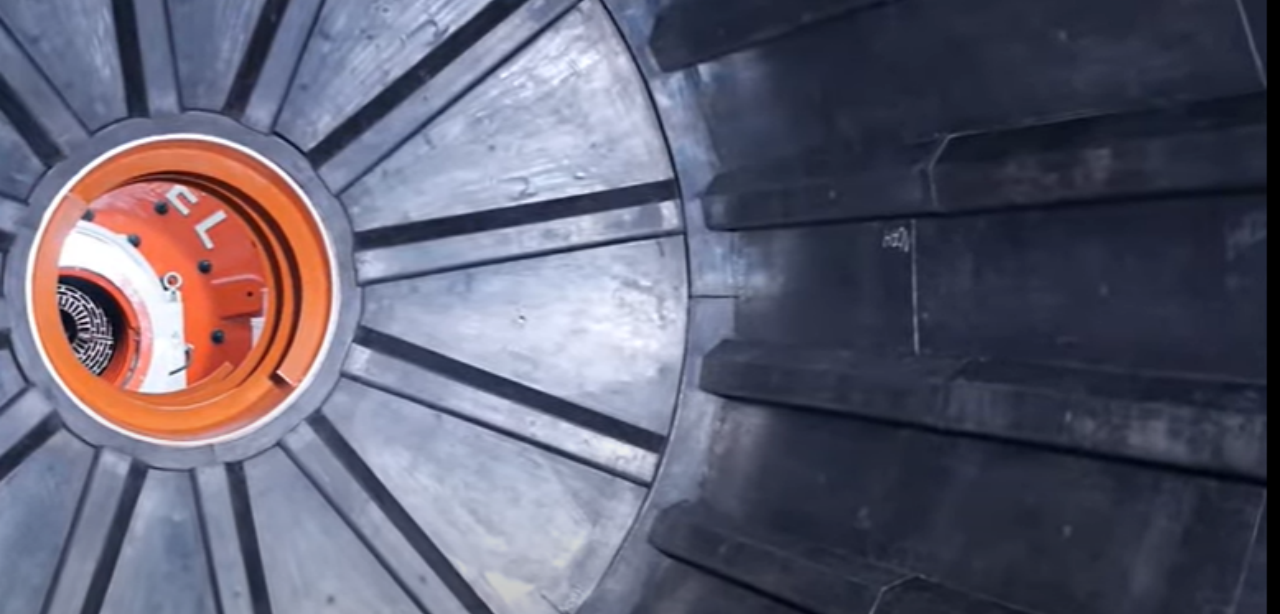
If you use any of this equipment, you need rubber lining:
Chutes and hoppers — where ore keeps falling and hitting the surface
Pipes and slurry lines — where wet, rough slurry moves through all day
Tanks and vessels — where chemicals and water can rust bare metal
Screens and grate plates — where non-stop shaking, contact, and material flow wear the surface down
Ball mills and flotation machines — where grinding and hitting never stop
Cyclones and mill feed boxes — where fast-moving slurry hits the surface at high speed
Conveyors — like skirtboards and chute liners along your belt
Why Rubber Lining Saves You Money
Changing worn-out steel parts costs money. But the real cost is downtime. Every hour your equipment is down for repair, you are not making product. You are not making money.
This is where AOBO’s rubber lining makes a real difference. Our rubber lining absorbs about 90% of the impact hitting your equipment. Its wear resistance is about 40% higher than the industry standard. Customers using AOBO rubber lining can go about 2 times longer between maintenance jobs, and many save around $150,000 a year in repair and downtime costs.
When you add up longer equipment life, fewer repairs, lower energy use, and less downtime, rubber lining ends up costing you far less over time than the steel it protects. It is a small cost now that saves you a lot later.
Get Rubber Lining from AOBO
You should not have to deal with equipment that wears out fast, cracks, or breaks down again and again. Rubber lining stops this problem before it starts.
AOBO has over 20 years of experience making rubber lining for mining equipment. We can make custom sizes, custom thickness, and rubber types for your exact working conditions, and our team can also guide you step by step on installation. Contact AOBO today to get a quote, or check our Rubber Lining products to see what fits your equipment.
 English
  Spanish
  Russian
  Arabic
  German
