
Rubber lining doesn’t just protect new equipment. It saves equipment that’s already showing damage. Catch it early, and you stop a small problem before it becomes a shutdown. Miss it, and you end up paying for a full replacement instead of a simple fix. At AOBO, we see the same handful of warning signs come up again and again before a customer finally calls us. Here’s what to watch for on your site, and what each sign is actually telling you.
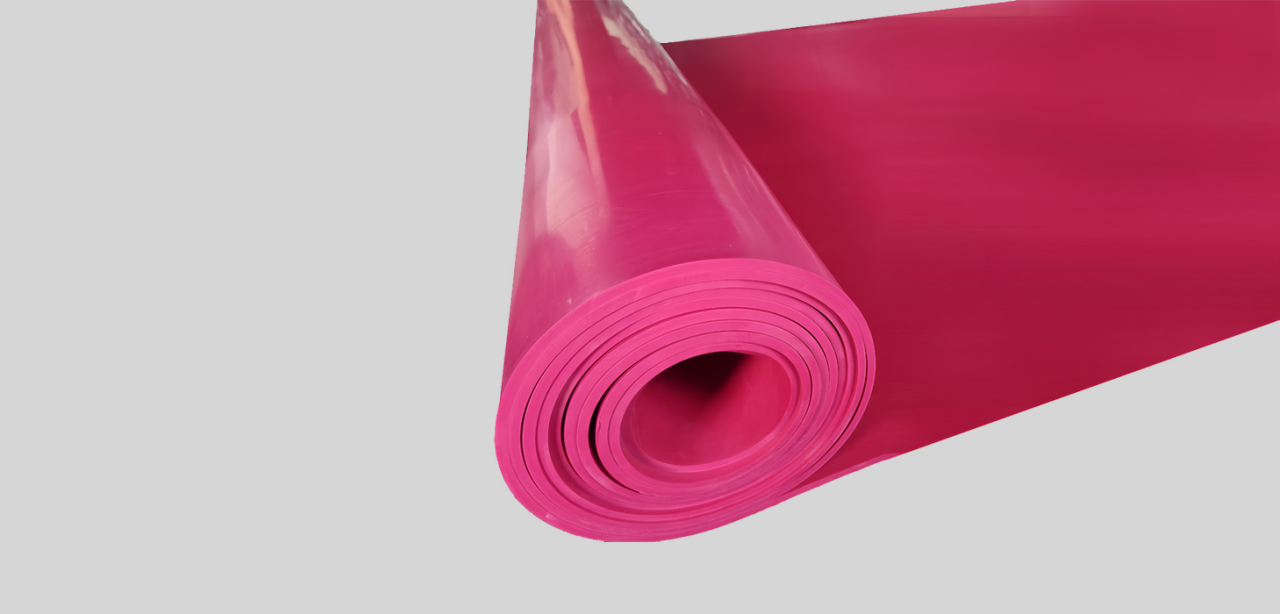
Sign 1: Your Equipment Is Getting Louder
Bare metal getting hit by ore, rock, or slurry makes noise. A lot of it. Has your equipment gotten noticeably louder over the past few months? That’s not just annoying. It usually means your metal surface has worn down. Impact is hitting steel directly now instead of getting absorbed. The surface that used to soften the blow isn’t doing its job anymore.Rubber lining cuts that noise fast. It takes the hit so your steel doesn’t have to. If your team has started raising their voice more to be heard near a chute or crusher that used to be quieter, that’s worth checking out, not ignoring.
Sign 2: You’re Fixing the Same Spots Over and Over
Think back to your maintenance schedule from a year ago. Are you out there more often now? Same spots, same problems, again and again? That’s a clear sign your equipment is wearing faster than it should.
Unlined steel wears down steady at first. Then it speeds up. Once a surface loses enough thickness, every additional hit does more damage than the last one. You end up chasing repairs instead of staying ahead of them, and your maintenance team spends more time patching than actually maintaining.
Sign 3: You Can See Bare Metal Wearing Thin
This one’s visual, and it’s the easiest to catch early if you actually look. Walk your chutes, hoppers, and screens. Look for spots where the metal looks thin, shiny, or worn smooth compared to the surrounding surface. That’s abrasion doing its job on bare steel.
Leave it alone, and thin spots turn into holes. Holes mean leaks, spills, or a full section that needs replacing instead of just protecting. Check high-impact drop points first, since material hits hardest right where it lands.
Sign 4: Rust Is Showing Up Where It Didn’t Before
Moisture and chemicals eat through unprotected metal over time. Seeing rust spread in spots that used to look fine? Your equipment’s defenses are breaking down. This shows up most on tanks, pipes, and anything handling wet slurry or chemical exposure.
Rubber lining seals that surface off. Water and chemicals never touch the steel underneath in the first place. If you’re dealing with corrosive chemicals specifically, not just moisture, that’s a sign you may need IIR butyl rubber lining rather than standard wear-resistant lining, since the two are built for different threats.
Sign 5: Your Team Keeps Clearing Stuck Material
Bare metal surfaces don’t handle wet, sticky material well. More buildup. More blockages. More time spent clearing stuck material than before. A worn surface is usually why. Once a surface gets rough and pitted from wear, material has more to grip onto and less reason to keep moving.
A smooth, properly lined surface helps material move through instead of sticking around. If your crew is spending real time each shift knocking material loose that never used to stick, that’s your equipment telling you something.
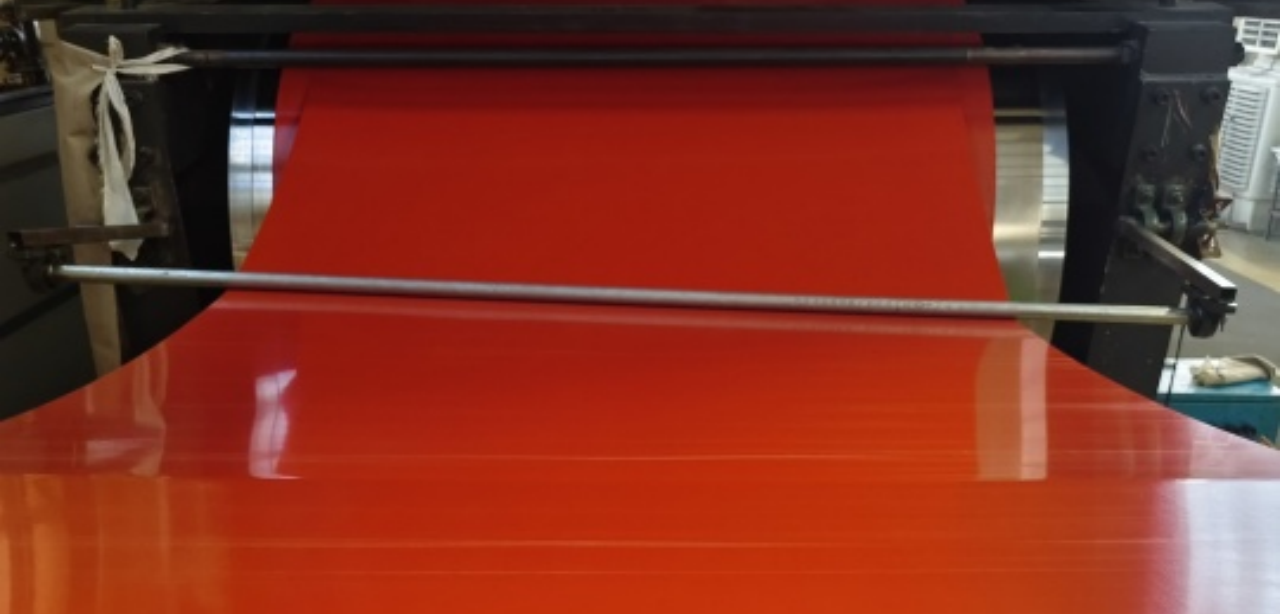
Where to Check First
If you’re not sure where to start looking, focus on your highest-impact, highest-moisture areas first:
- Chutes and hoppers, especially where material drops from height
- Screens and vibrating equipment under constant contact
- Tanks and pipes carrying slurry or chemicals
- Conveyor transfer points where material changes direction
These spots wear faster than the rest of your equipment, so they’re usually where these signs show up first. It’s also where AOBO’s rubber lining tends to make the biggest difference once it’s installed.
What Happens If You Wait Too Long
None of these signs fix themselves. They get worse. A little extra noise turns into a structural weak point. A thin spot turns into a hole. A little rust turns into a corroded section that needs full replacement instead of a simple fix. Buildup that used to clear on its own starts costing you real production time every shift.
The cost of waiting isn’t just a bigger repair bill. It’s downtime you didn’t plan for, on a schedule you don’t control. Catch these signs early, and rubber lining stays a low-cost fix. Wait too long, and it turns into an emergency.
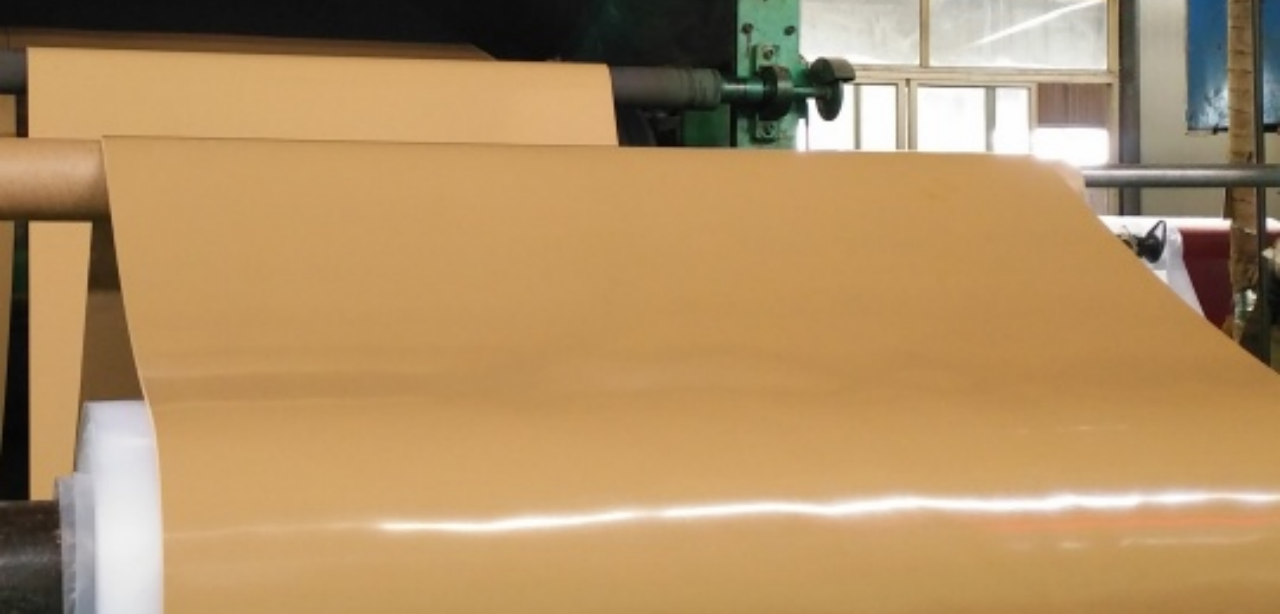
Get Rubber Lining from AOBO Before It’s Too Late
Sound familiar? It’s worth acting before the damage spreads. AOBO’s rubber lining absorbs about 90% of the impact hitting your equipment. Wear resistance runs about 40% higher than the industry standard. Customers typically go 2 times longer between maintenance jobs.
Tell us what you’re seeing on your site. Noise, wear, rust, constant clogging, whatever it is. We’ll help you figure out where rubber lining makes the biggest difference first. Contact AOBO today to get your quote.
 English
 Spanish
 Russian
 Arabic
 German

