
Material spilling off the sides of your conveyor belt isn’t just messy. It’s wasted product, extra cleanup, and dust that shouldn’t be in the air. Skirtboard rubber stops that at the source. Here’s what it is, and how it keeps your conveyor running clean.
What Is Skirtboard Rubber?
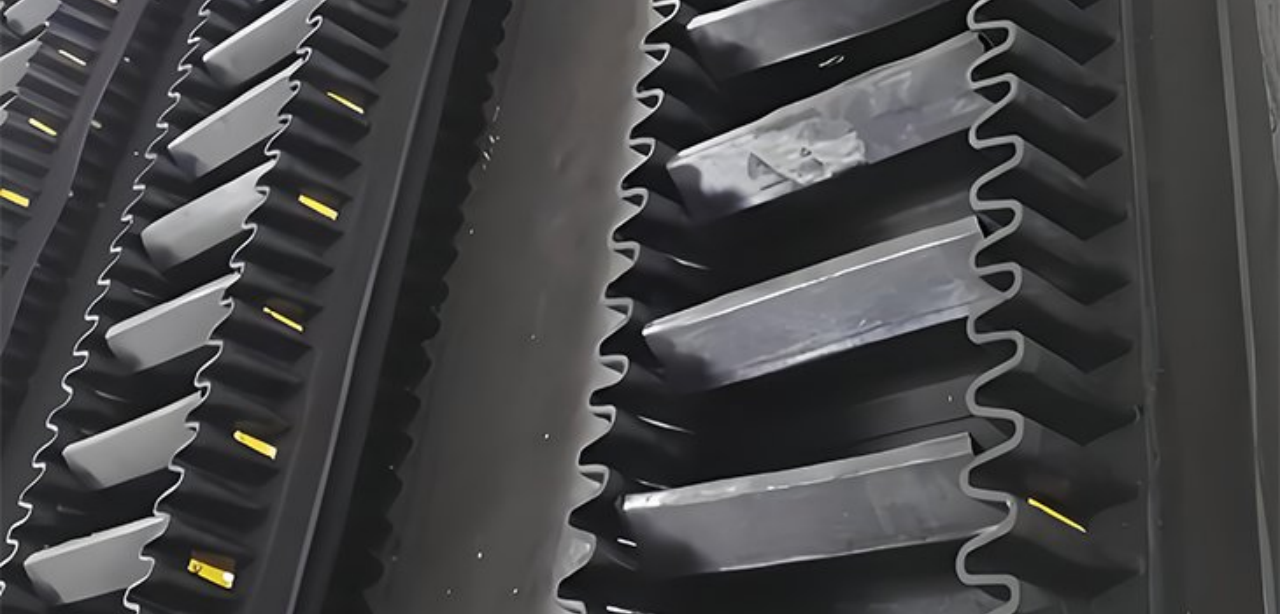
Skirtboard rubber is a strip of rubber mounted along the sides of your conveyor belt, right where the belt meets the skirtboard structure. It seals that gap, so material stays on the belt instead of spilling over the edge.
At AOBO, skirtboard rubber is made from natural rubber, cut into strips or blocks based on your specific setup. The rubber is elastic and tear-resistant, so it holds its shape and keeps sealing tight even as the belt moves and flexes underneath it.
How Skirtboard Rubber Actually Works
Your conveyor belt isn’t perfectly flat, and it’s not perfectly still either. It flexes, bounces slightly, and carries material that shifts as it moves. Skirtboard rubber needs to seal against all of that without cracking or losing contact.
That’s why hardness matters here. AOBO’s skirtboard rubber runs 40 to 45 Shore A, which is soft compared to a lot of industrial rubber. That softness is intentional. It gives you the flexibility to seal tight against the belt, while still holding up to abrasion from the material moving past it. Too hard, and it won’t seal properly. Too soft, and it wears out fast. This range is built to balance both.
The rubber also absorbs impact from larger material, like chunks of ore, instead of cracking under the hit. It conforms tightly to the belt as it moves, keeping that seal consistent instead of gapping open under vibration.
Why the Color Matters More Than You’d Think
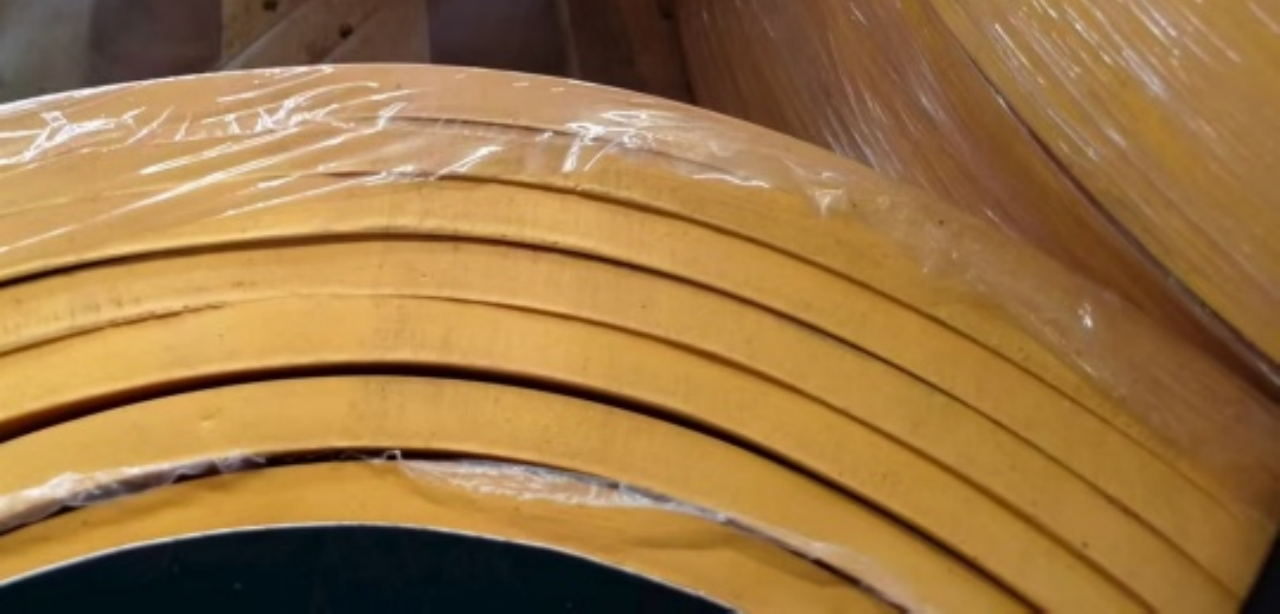
AOBO offers skirtboard rubber in orange, yellow, and several other colors, with the option to customize color combinations. This isn’t just about how it looks.
Bright colors like orange and yellow make it easy to spot wear early. A worn or damaged strip stands out fast against the rest of your equipment, so your team catches problems during a routine walk-through instead of after material starts spilling. Catching wear early means a quick strip replacement instead of an unplanned shutdown.
Where Skirtboard Rubber Gets Used
Skirtboard rubber does its job wherever your conveyor belt needs a tight seal along its edges:
- Loading points— where material first drops onto the belt and spillage risk is highest
- Transfer points— where material moves from one conveyor to another
- Chute linings— sealing gaps where material flows into or out of a chute
- General belt containment— keeping dust and fine material from escaping along the belt’s full length
If your conveyor handles ore, aggregate, coal, or any bulk material prone to spilling or dusting, skirtboard rubber belongs on it.
Getting the Right Size and Fit
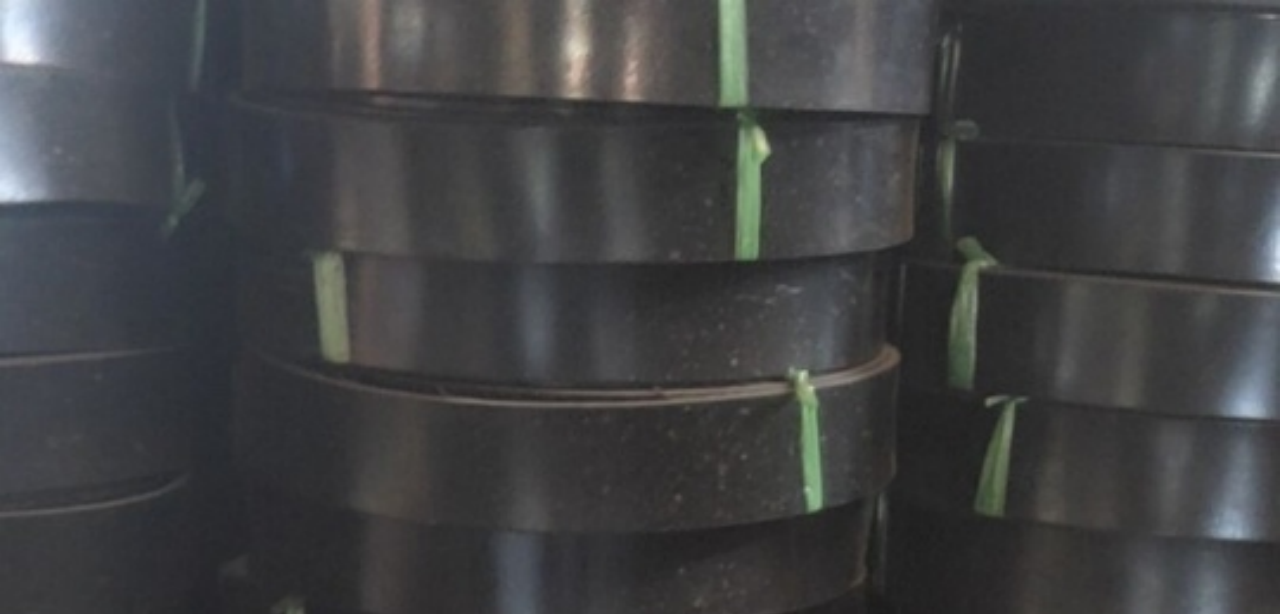
Skirtboard rubber isn’t one-size-fits-all. AOBO cuts strips and blocks to match your specific conveyor setup, with widths ranging from 2cm to 80cm depending on the job. A strip that doesn’t match your skirtboard structure won’t seal properly, no matter how good the rubber itself is, so getting the size right matters as much as the material.
Get Skirtboard Rubber from AOBO
You shouldn’t have to deal with constant spillage, dust, or material loss along your conveyor line. At AOBO, we’ve been manufacturing skirtboard rubber for over 20 years, with the production and logistics experience to get the right strips to your site fast.
 English
 Spanish
 Russian
 Arabic
 German

