
Your conveyor belt slips. Your pulley wears down fast. Every breakdown costs you time and money. You know a lagged pulley fixes this. But which lagging pulley setup do you need, ceramic or rubber? Pick wrong, and you’ll be back here again in a year, spending more money on repairs.
At AOBO, we’ve made both types for over 20 years. Here’s what actually separates them, in plain terms.
What Is Pulley Lagging?
Pulley lagging is a layer bonded to your conveyor pulley. Some call it conveyor pulley lagging, others just say drum pulley lagging. It grips your belt. It stops slipping. It protects the steel underneath from wear and rust. Without it, bare steel just doesn’t hold up.
What Is Rubber Pulley Lagging?
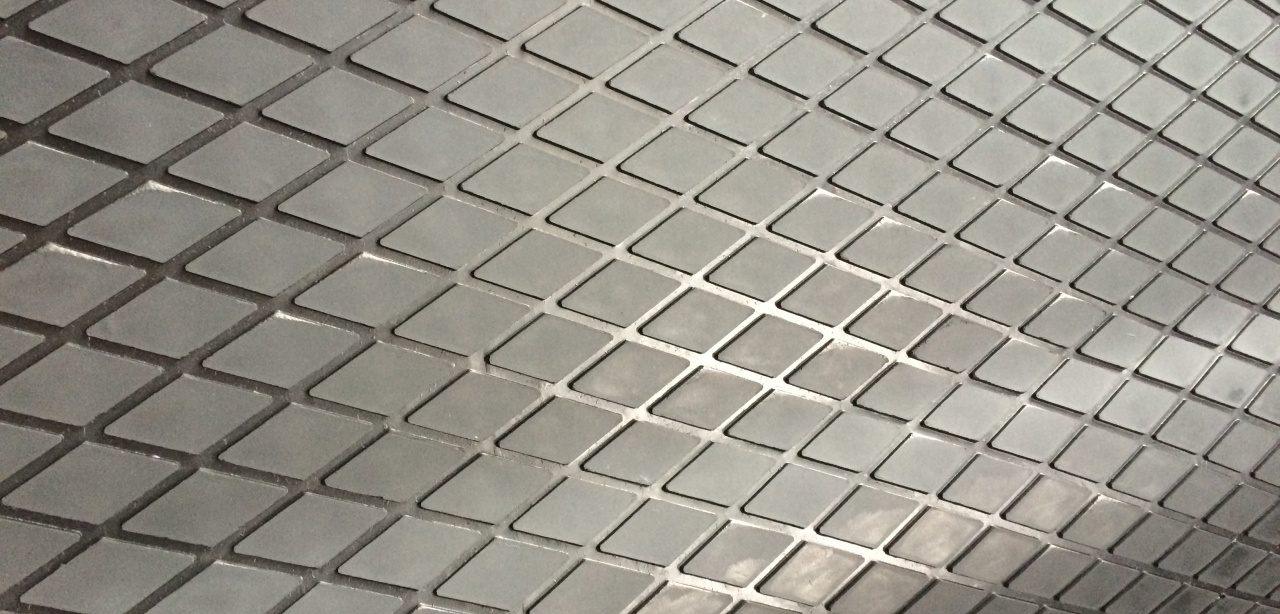
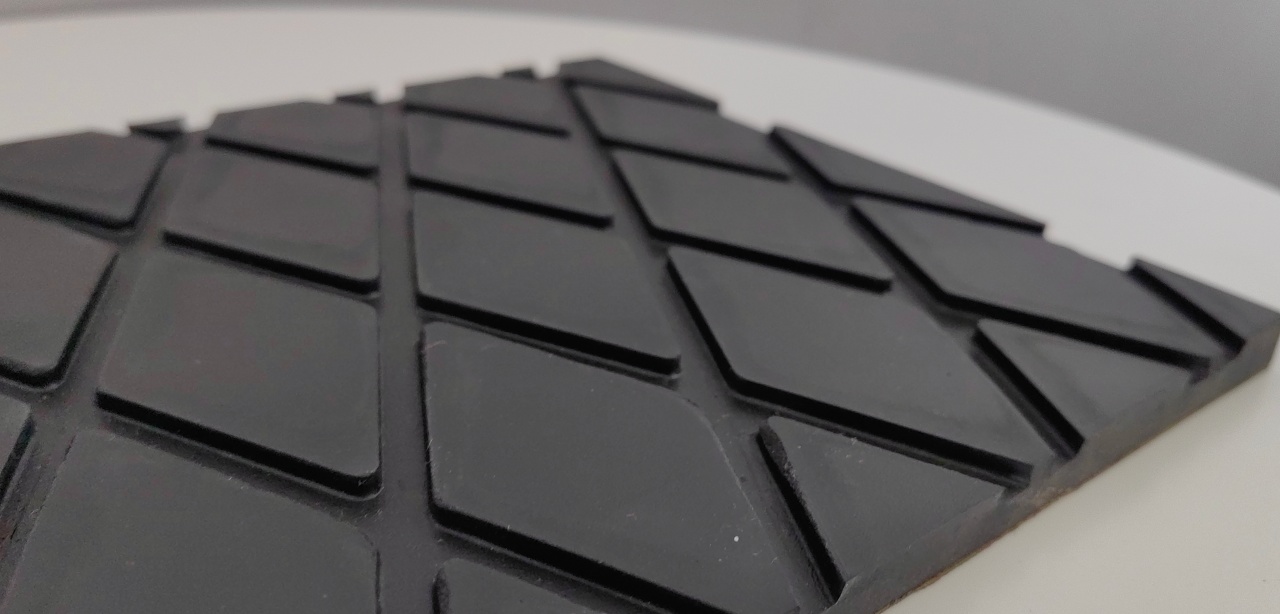
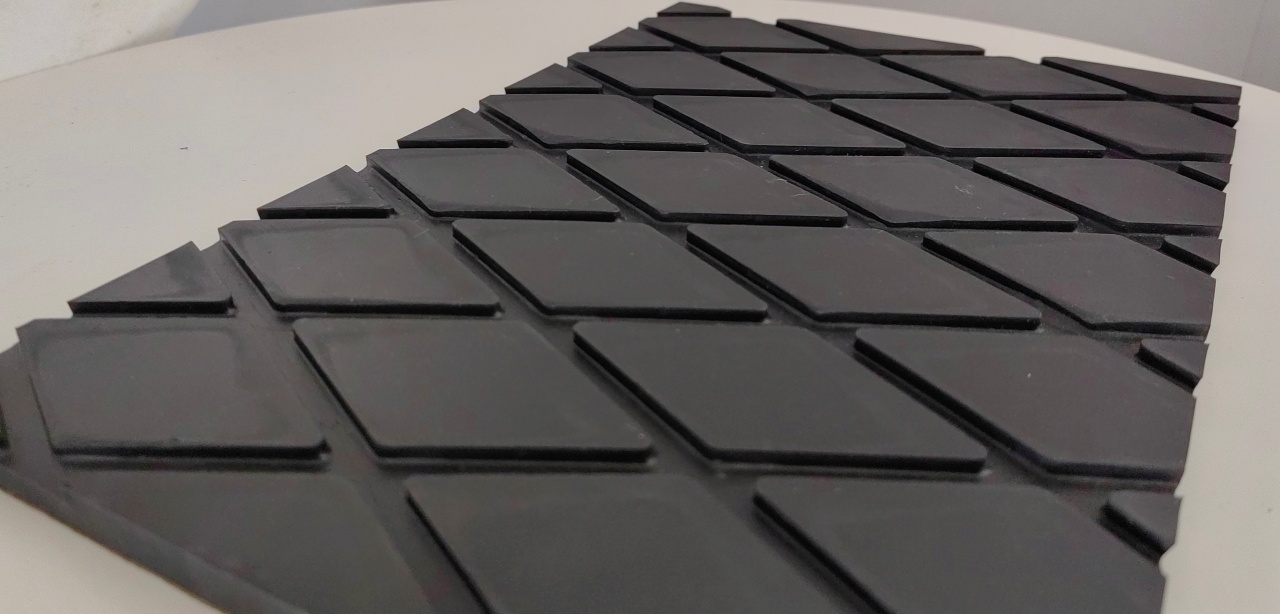
Rubber pulley lagging is a layer of rubber, usually with a diamond or flat surface pattern. It comes as a pulley lagging sheet, sometimes called a rubber lagging sheet, and bonds to your pulley with a CN layer on the back and cold adhesive. You can install it on site, no special equipment needed.
Rubber lagging works well for most jobs. Dry conditions. Moderate loads. Standard wear. It lasts 3 to 5 years under normal use. If you need extra grip, diamond lagging (also called diamond pulley lagging) is the go-to rubber pattern for wetter, higher-load spots.
What Is Ceramic Pulley Lagging?
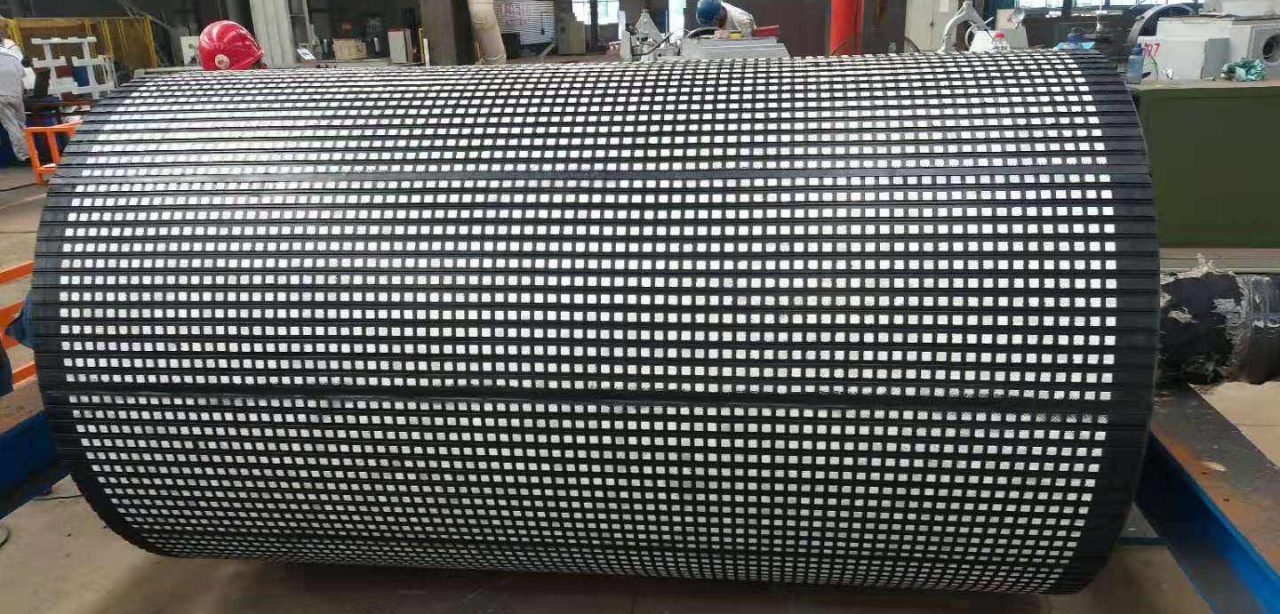
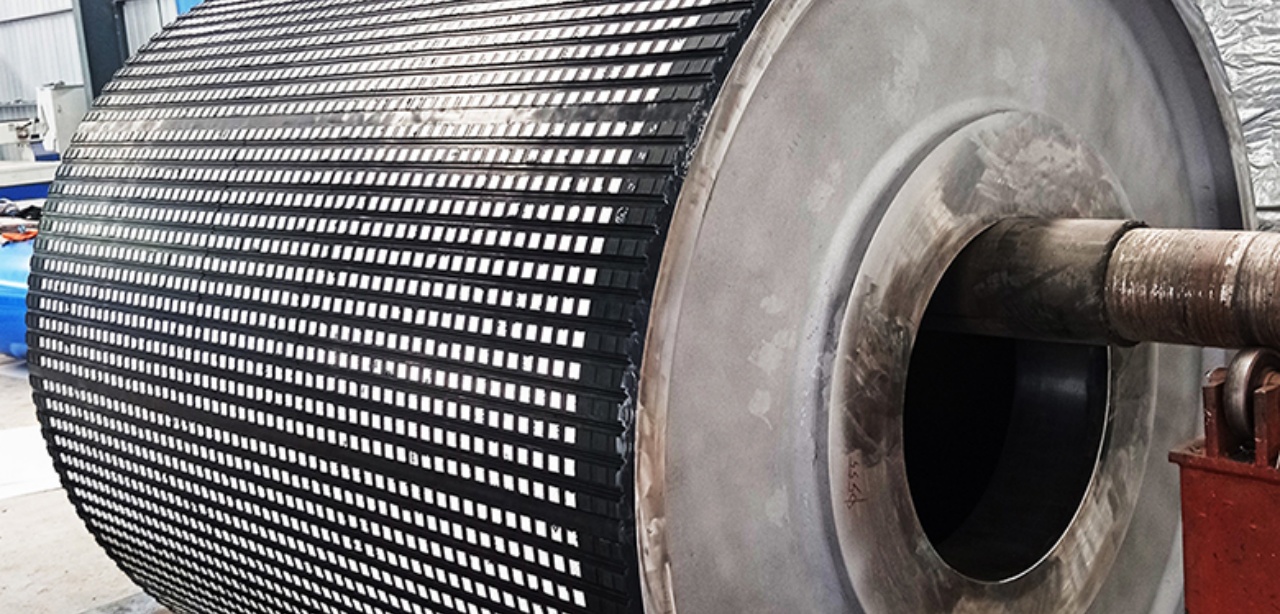
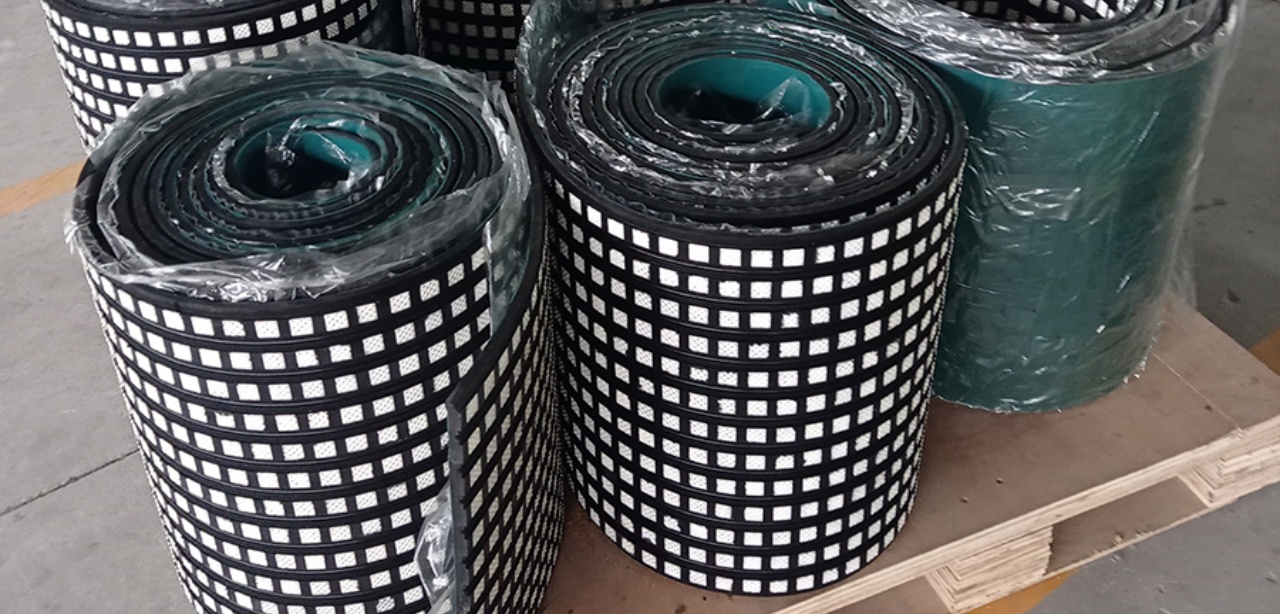
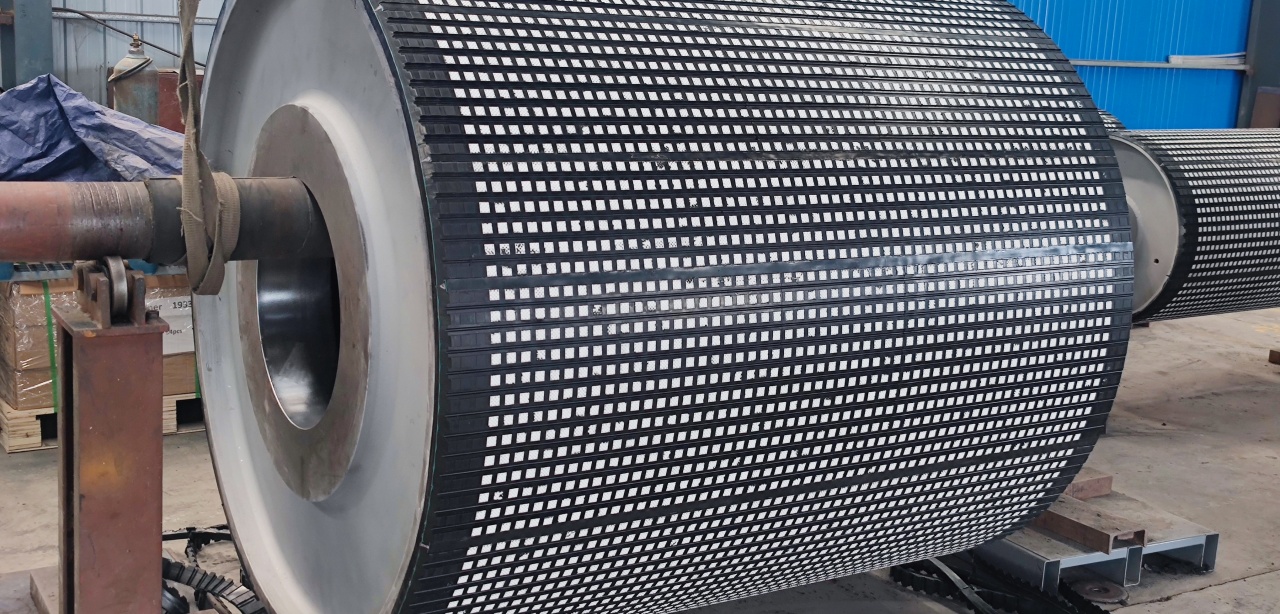
Ceramic pulley lagging is different. Small ceramic tiles sit embedded in a rubber base. Each tile is about 20mm by 20mm, made from 95% pure alumina. That’s hard material. Three times harder than steel.
This is not a light-duty product. Ceramic lagging is built for the worst jobs you have: wet ore, heavy abrasive material, constant high load. It costs more than rubber. But it lasts a lot longer, often 3 to 8 years, sometimes 5 to 10 times longer than rubber lagging in the toughest conditions.
Ceramic vs Rubber: The Real Differences
| Rubber Pulley Lagging | Ceramic Pulley Lagging | |
| Structure | Solid rubber, diamond or flat pattern | Alumina ceramic tiles embedded in rubber base |
| Wear resistance | Good for standard loads | Excellent, holds up to heavy abrasive material |
| Typical lifespan | 3–5 years | 3–8 years, up to 5–10x longer in tough conditions |
| Grip in wet/muddy conditions | Good, especially with diamond pattern | Excellent, tile gaps drain water and mud fast |
| Working temperature | -40°C to 80°C | -40°C to 80°C |
| Installation | Cold adhesive, easy on-site bonding | Hot vulcanization needed, more setup work |
| Upfront cost | Lower | Higher |
| Long-term cost (heavy-duty jobs) | More frequent replacement | Fewer replacements, often cheaper over time |
rubber wins on cost and ease of install. Ceramic wins on toughness and lifespan under harsh conditions. Below is a closer look at what actually drives each of these differences.
Wear Resistance and Lifespan
Rubber lagging wears down faster under heavy abrasive material. Ceramic tiles barely wear at all. If you’re moving iron ore or quartz sand all day, ceramic lasts far longer and saves you repeat labor costs down the road.
Grip in Wet and Muddy Conditions
Both types handle wet conditions better than bare steel. But ceramic has an edge. The gaps between ceramic tiles channel water and mud away fast. This keeps grip strong even in muddy, sloppy conditions. Rubber with a diamond pattern also drains well, but not quite at the same level.
Heat and Chemical Resistance
Both rubber and ceramic lagging from AOBO handle temperatures from -40°C to 80°C. But if your job involves heat, chemicals, or corrosive materials, like steel mills or chemical plants, ceramic holds up better over time. It resists corrosion and high heat without breaking down.
Installation
This is where the two products really split apart. Rubber lagging uses cold adhesive. You can bond it on site, no fancy tools needed. Ceramic lagging is different. It needs hot vulcanization for a proper bond. Cold bonding a ceramic sheet is not recommended, it won’t hold as well. You can get pre-vulcanized ceramic plates for on-site drum repairs, but for a full new install, hot bonding is the right way to go.
Cost
Rubber lagging costs less upfront. Ceramic costs more. But ceramic’s longer life means fewer replacements over time. For heavy-duty jobs, that often works out cheaper in the long run, not more expensive.
Which One Fits You?
Here’s a simple way to match the lagging to your situation.
Working with wet, muddy, or highly abrasive material? Ceramic is the safer bet. Running a standard job with moderate load? Rubber gets it done and costs less. Dealing with high heat or corrosive conditions? Ceramic holds up better here too. Need a fast, simple install with no special tools? Rubber bonds on site with no fuss. Replacing lagging often on the same pulley? Ceramic’s longer lifespan will save you money over time.
A lot of operations actually run both. Ceramic on the toughest, highest-wear pulleys. Rubber on standard ones. That mix keeps your costs balanced without overspending everywhere.
One more thing to keep in mind: ceramic isn’t always the right call. It costs more upfront, and it needs hot vulcanization, which means more setup work. If your job is dry and moderate, rubber lagging gets the job done for less money and less hassle.
What Have to Know Before You Contact a Supplier
A good supplier won’t just ask “ceramic or rubber?” They’ll ask about your whole setup. Have this ready:
- What material you’re moving
- How wet or dusty your conditions are
- Your belt speed and tension
- Your pulley size
- Your operating temperature range
- How often you can schedule maintenance
The more you can tell your supplier, the better they can match lagging to your actual job, not just guess.
Get the Right Pulley Lagging from AOBO
You shouldn’t have to guess which lagging fits your job. At AOBO, we’ve spent 20 years supplying both ceramic and rubber pulley lagging to mines, ports, steel mills, and power plants. We know what holds up, and what doesn’t, in real working conditions.
Good lagging isn’t just about the material either. Bonding quality, production control, and installation experience all decide whether your lagging holds tight for years or comes loose in a few months. That’s the part a lot of suppliers skip, and it’s exactly where AOBO puts in the extra work.
Tell us your material, your load, and your working environment. We’ll help you pick the right pulley lagging material for your pulley, and back it with real technical support during installation. Contact AOBO today to get your quote.
 English
  Spanish
  Russian
  Arabic
  German
