
Screens in mining and aggregate work take a beating. Wet material, sharp edges, constant vibration, heavy impact all day long. A lot of operations still run wire mesh or metal screens that just weren’t built for that kind of punishment, and end up replacing panels far more often than they should. Rubber screen solves that problem, and it’s why more mining and aggregate operations are switching to it every year.
If your screen keeps clogging, cracking, or wearing thin faster than it should, rubber screen is probably worth a look. Here’s what it actually is, how it’s built, and where it does and doesn’t make sense.
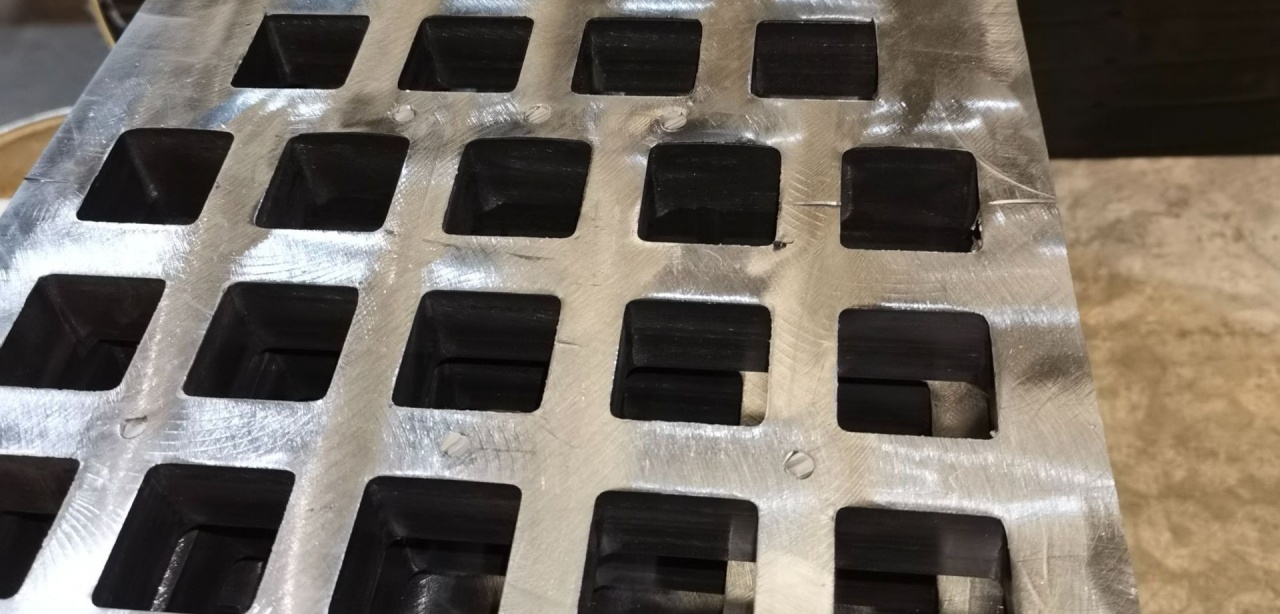
What Is Rubber Screen?
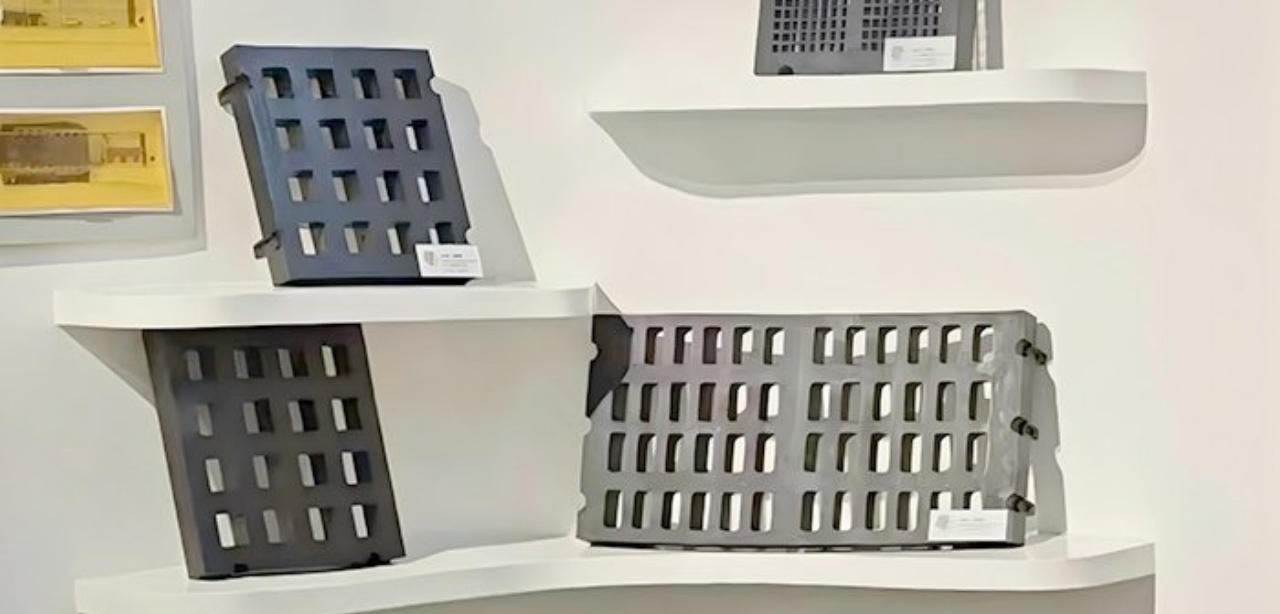
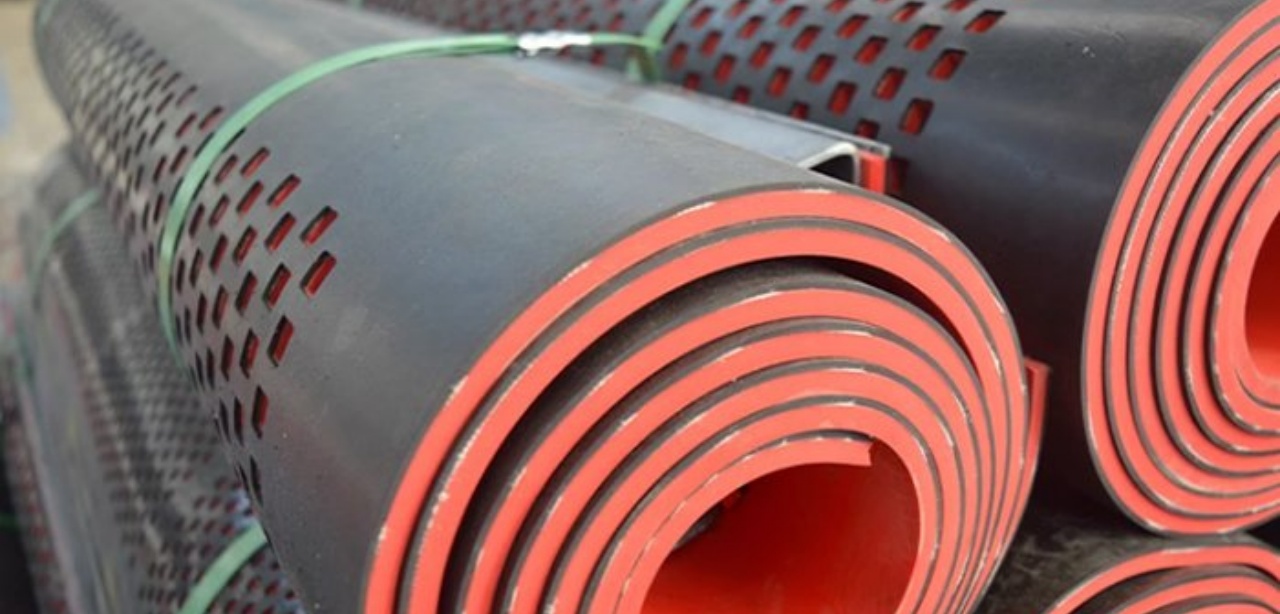
Rubber screen is a screening panel made from natural or synthetic rubber, molded with holes cut through at set sizes and spacing. It sits inside your vibrating screen machine and does the actual separating. Material shakes across the surface. Small pieces drop through. Bigger pieces ride on top and move along to the next stage.
The difference between rubber screen and a stiff metal or wire mesh screen comes down to one thing: flex. Rubber moves slightly with every vibration cycle. Metal doesn’t. That small amount of give changes how the screen handles impact, noise, and clogging.
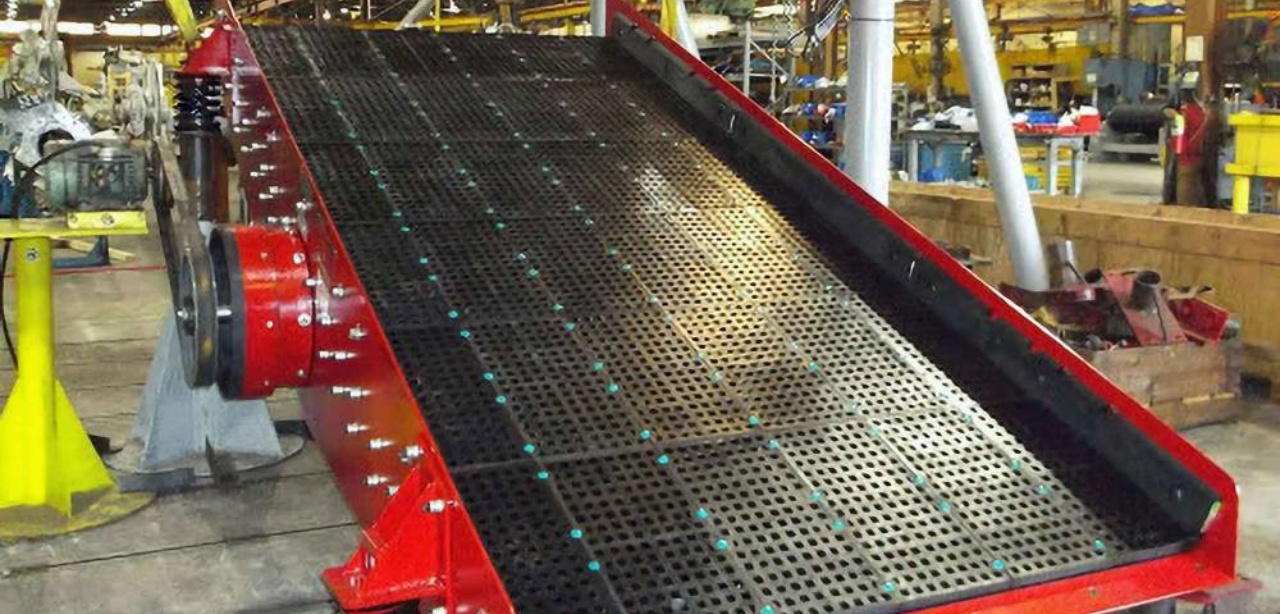
How Rubber Screen Is Built
Most panels aren’t solid rubber straight through. There’s usually a support layer or internal frame inside that keeps the panel from sagging or tearing apart under repeated impact.
Panel thickness typically runs 10mm to 50mm, and which end of that range you need depends on how hard your material hits and how big the pieces are. Aperture sizes go from around 5mm up to 150mm or more for coarse work like scalping oversized rock before it even reaches the crusher. Panels bolt or snap into a deck frame, so a worn section can get swapped out on its own instead of pulling the whole screen. Compared to a solid steel plate of the same size, rubber panels are also noticeably lighter, which makes installation and section replacement a lot less of a job for your crew.
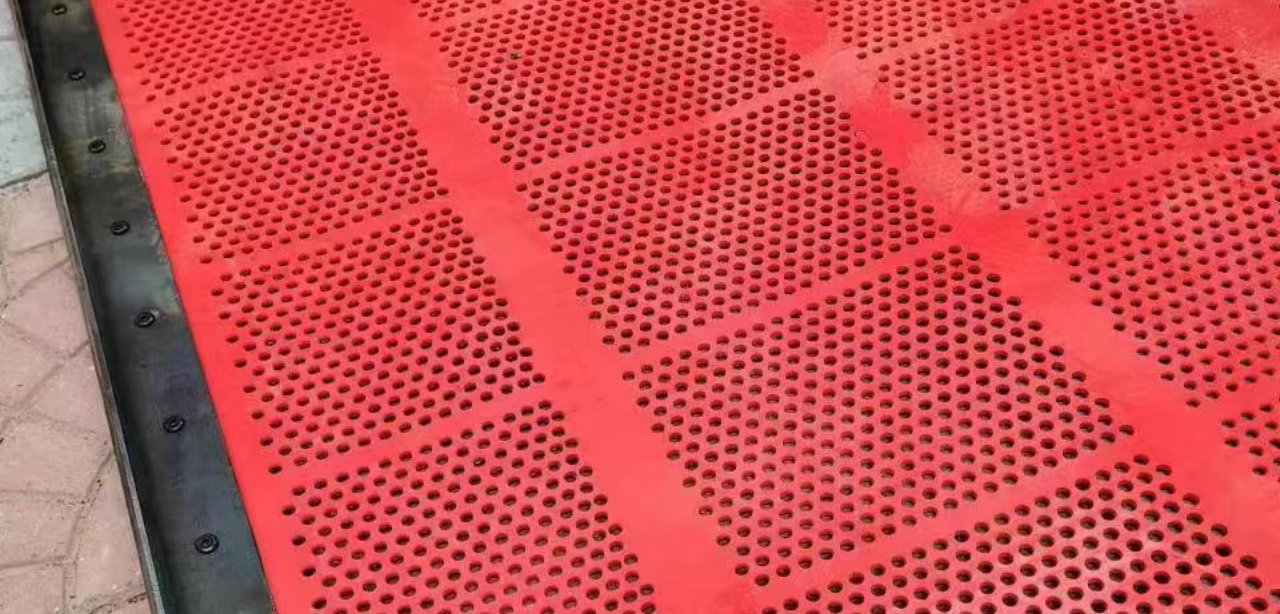
The Real Advantages of Rubber Screen
Clogging drops off fast. Every vibration cycle flexes the rubber slightly, and that flex helps knock loose particles that would otherwise wedge into a hole and stay there. On a rigid metal screen, once a hole clogs, it usually stays clogged until someone stops the line and clears it by hand.
Impact gets absorbed instead of transferred. Drop a load of rock onto bare metal and the metal takes the full hit, cracking or deforming a little more each time. Rubber flexes on impact and spreads that energy out, which is a big part of why it holds up so much longer under heavy loads.
Noise comes down noticeably. Rock hitting metal is loud, often loud enough to matter for workplace noise exposure. Rubber typically cuts that noise by 10 to 15 decibels compared to a wire mesh or metal screen, mostly because the material dampens the impact instead of ringing out.
Material actually moves faster, not just cleaner. Rubber’s elasticity creates a slight secondary vibration as material bounces across the panel. Combined with lower friction between the rubber and the material itself, particles spend less time sitting on the screen surface and pass through faster, which adds up to better throughput over a full shift, not just fewer clogs.
Corrosion isn’t really a factor. Wet ore, slurry, and mine chemicals eat through bare metal over time. Rubber shrugs most of that off.
The lifespan gap is real, not marketing talk. Under normal conditions, we typically see rubber screen run 3 to 5 times longer than a steel plate doing the same job, sometimes longer against wire mesh, specifically in abrasive, high-impact settings.
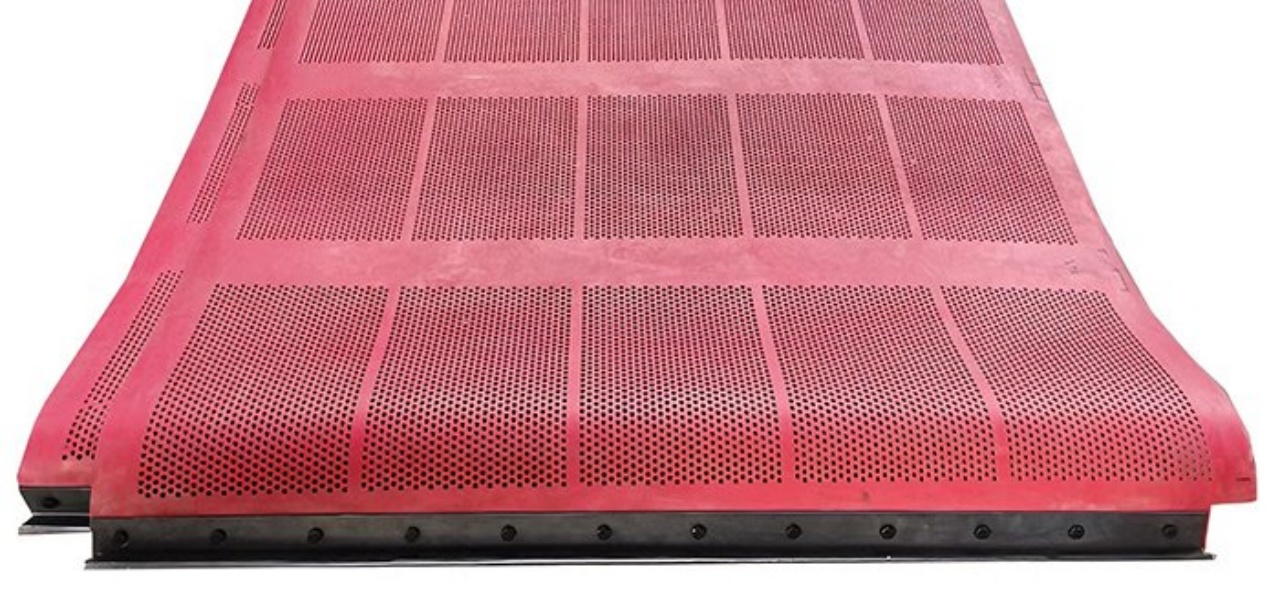
Rubber Screen Limitations You Should Know
Rubber Screen is not the answer for every job, and it’s worth being upfront about that.
Rubber screen is built for coarse to medium separation, generally 5mm apertures and up. If you’re chasing fine powder classification or precision mesh sizes, woven wire cloth still does that better. AOBO’s rubber screen is rated for a working temperature of -20°C to 70°C, which covers most mining and processing environments, but if your process runs hotter than that, or needs food-grade or pharmaceutical conditions, rubber isn’t the right material either.
None of that makes rubber screen a weak product. It just means it’s built for a specific job: heavy, abrasive, high-impact material at moderate temperatures. Push it outside that zone, and it won’t perform the way it should.
Where Rubber Screen Is Used
We see rubber screen going into a handful of settings again and again:
Mining — sorting ore and waste rock straight off the crusher
Aggregates — grading crushed stone and gravel
Dewatering — separating solids out of wet slurry
Coal processing — screening coal by size before it moves to the next stage
Recycling plants — sorting mixed construction debris, where sharp, heavy material chews through lighter materials fast
How to Pick the Right Rubber Screen
A few things we always ask customers before recommending a panel:
What’s your aperture size? This has to match the material you’re separating, not just whatever the last screen happened to have.
How thick does the panel need to be? Heavier impact jobs need more thickness, lighter jobs don’t need to pay for material they won’t use.
What’s your working temperature? The rubber compound has to be rated for it, or it’ll degrade faster than expected.
What fastening system does your deck use? A panel that doesn’t fit your frame is a wasted order.
If a supplier skips these questions and just quotes you a standard size, that’s usually a sign they’re selling you a panel, not solving your problem.
Get Rubber Screen from AOBO
At AOBO, every batch of rubber screen goes through wear testing before it ships, using both Akron abrasion testing and rotating drum wear testing, the same methods used to simulate the high-pressure, high-friction conditions your equipment actually deals with. We’re ISO 9001 certified, and our rubber products are tested to RoHS and REACH standards, so what you get matches what we told you.
We run a 20,000-square-meter factory and put every order through three separate quality checks before it leaves. Tell us your material, your aperture size, and your working conditions, and we’ll help you find a panel that actually holds up on your site. Contact AOBO today to get your quote.
 English
  Spanish
  Russian
  Arabic
  German
