
PU screen is one of the toughest materials you can put on a vibrating screen deck. If your current screen clogs constantly, wears out fast, or just can’t handle wet material without blocking up, PU screen is probably the fix you’re looking for. Here’s what it actually is, what makes it different, and where it fits your operation.
What Is PU Screen?
PU screen, also called PU mesh, is made from polyurethane. It sits somewhere between rubber and plastic, but it performs better than both. The surface holds up well under constant vibration, heavy contact, and wet material, without breaking down the way older screening materials do.
You’ll find PU screen doing the sorting work inside a vibrating screen machine. Material shakes across the surface. Small pieces fall through the holes. Bigger pieces stay on top and move along. What makes PU different is how long it keeps doing that job without cracking, clogging, or needing replacement.
Features of PU Screen
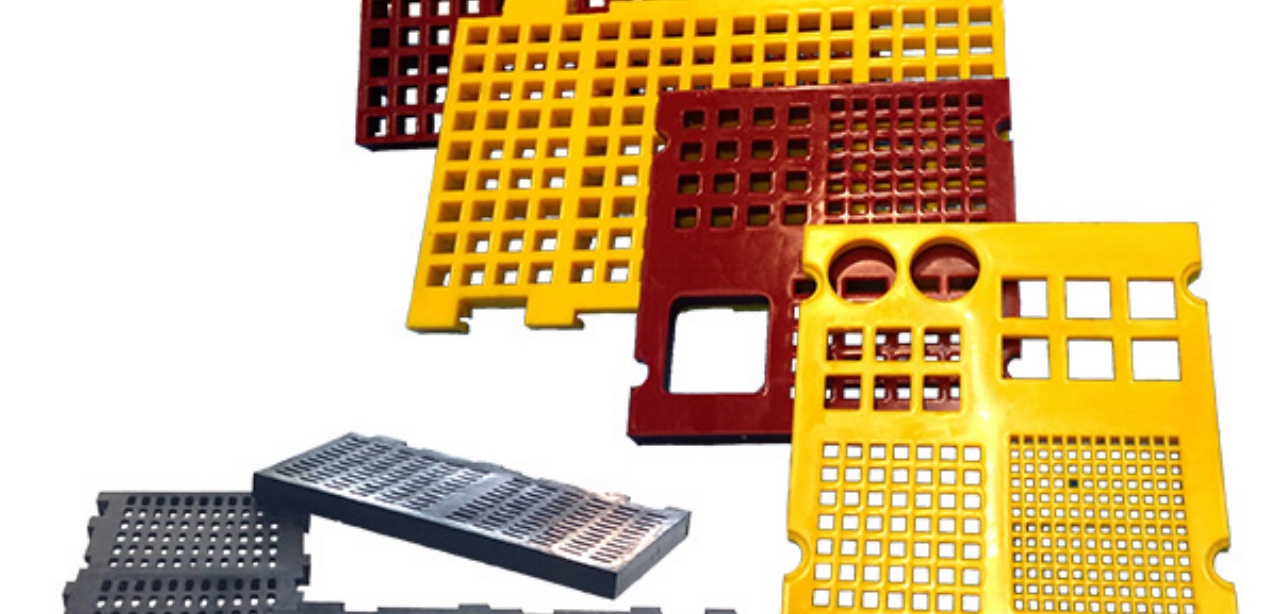
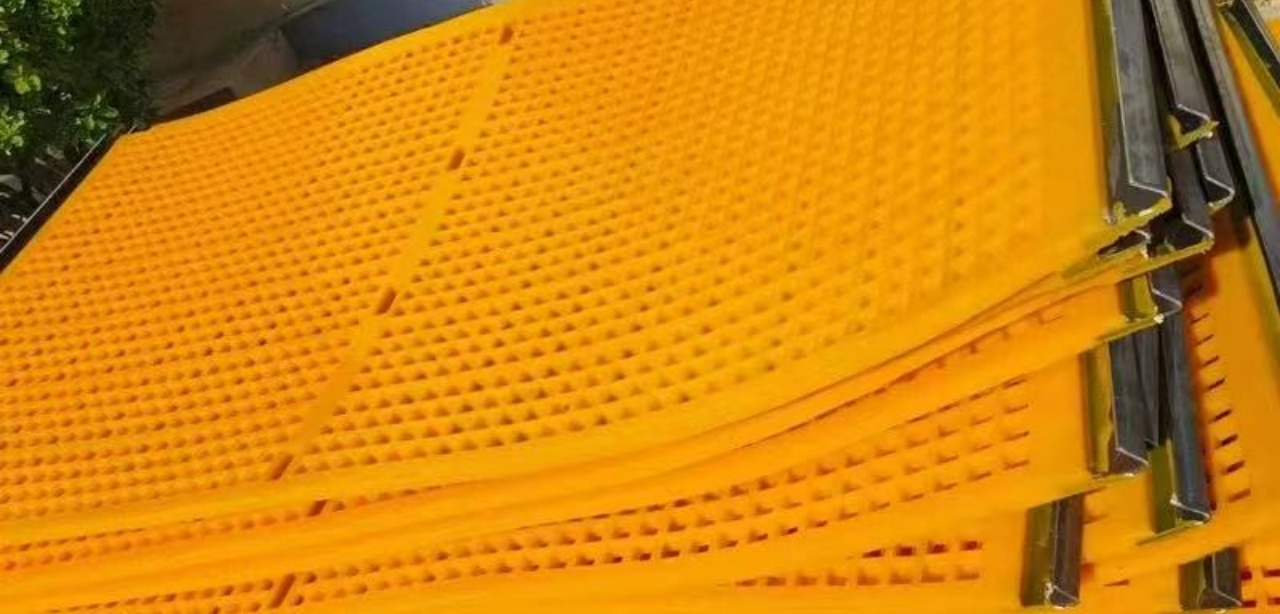
PU screen comes as modular panels, so you’re not stuck installing or replacing one giant sheet every time a section wears out. Just swap the worn panel and keep running.
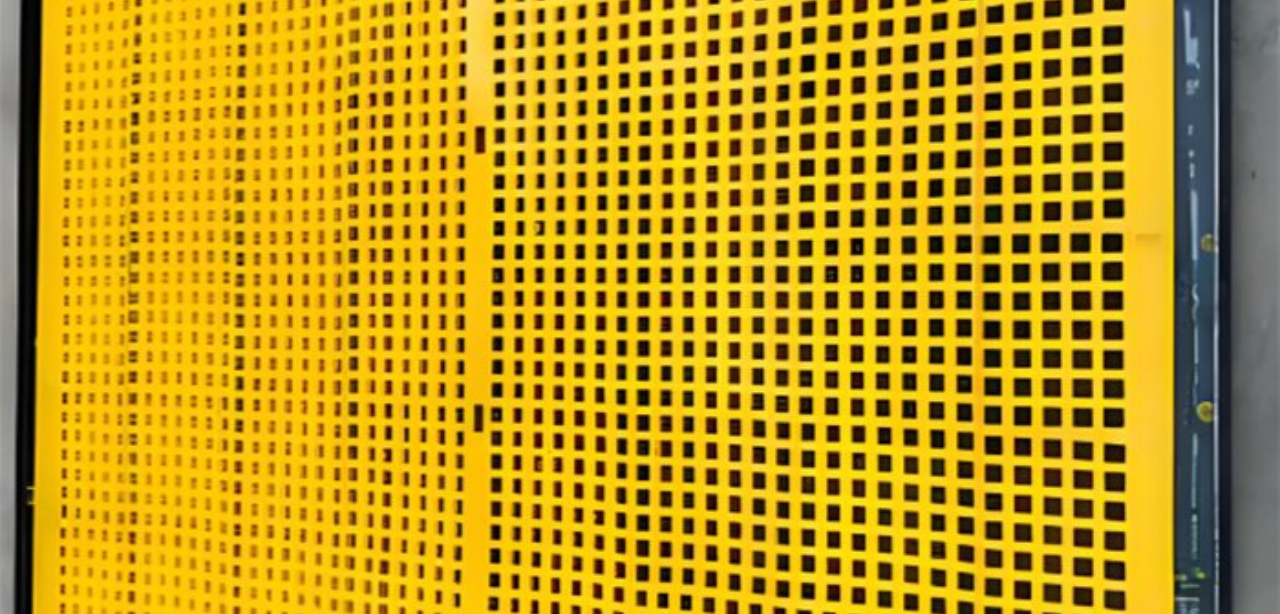
Hole shape varies depending on the job too. Round holes are the most common choice for general sizing work. Long slotted holes work better for dewatering and draining off excess moisture. Square or custom shapes come into play when the shape of your material matters as much as its size.
Aperture size runs from 5mm up to 25mm, and you’ll want to match that to whatever material you’re sorting. You can also pick the panel color, black, yellow, red, and a few others. This isn’t just cosmetic. A light-colored screen works better for sorting dark material, and a dark-colored screen works better for light material, since the contrast makes it easier to spot anything that shouldn’t be passing through. AOBO offer more than ten styles to fit different working setups, plus the accessories you need to get everything installed properly.
Why Choose PU Screen
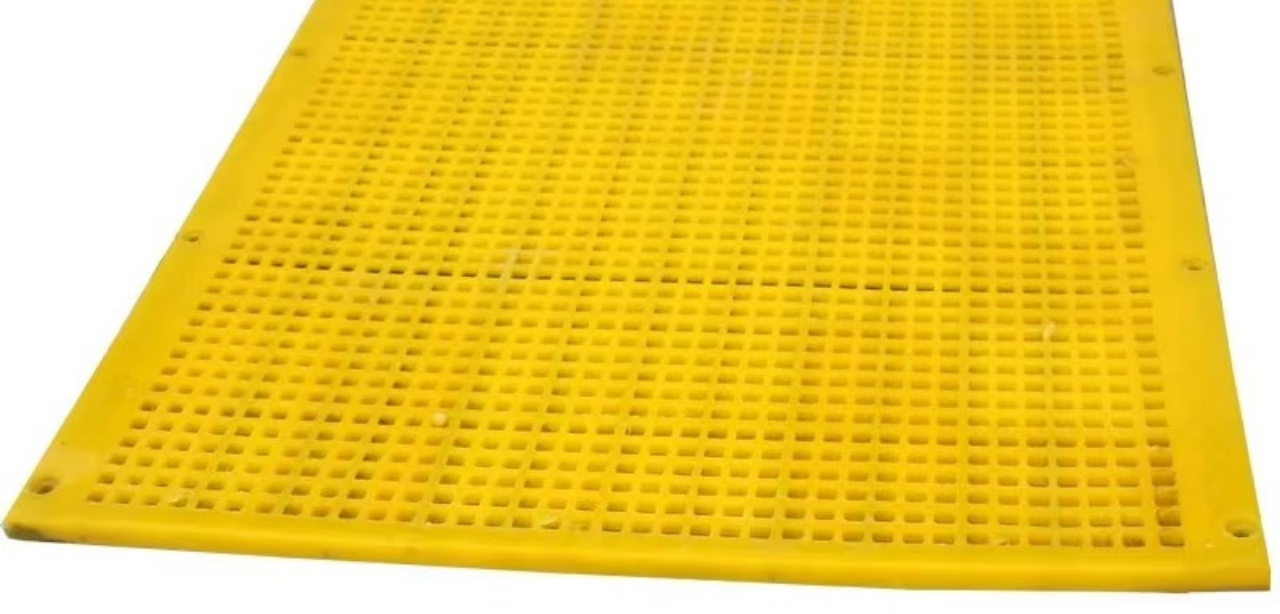
It handles wet and dry material equally well. A lot of screening materials perform fine dry but struggle once moisture gets involved. PU screen doesn’t have that weak spot. It holds up in both conditions without losing performance.
It resists clogging hard. PU screen runs an ultra-low blocking rate compared to older screen types. That means fewer stops to clear stuck material, and more actual production time.
It lasts a long time. Under normal conditions, PU screen can run up to ten times longer than an ordinary screen. Fewer replacements means less downtime and less money spent on repeat orders.
It cuts noise and dust. A quieter, cleaner work site isn’t just nice to have. It’s easier on your team and easier on the equipment around the screen too.
It costs less to maintain. Between the long wear life and the low blocking rate, PU screen ends up needing very little upkeep once it’s installed.
It’s lighter than metal. PU weighs a lot less than steel or manganese screening material. That means less strain on your screen deck, less wear on the bearings and moving parts underneath, and an easier job for your team when it’s time to install or swap panels.
Where PU Screen Isn’t the Right Fit
PU screen is strong, but it’s not built for every job.
If you need very coarse screening, well beyond a 25mm aperture, PU screen isn’t the right material. That range tops out where it does for a reason, and pushing past it usually means rubber screen is the better fit instead. PU screen also tends to cost more upfront than standard rubber panels, so for lighter-duty jobs where a cheaper material gets the job done just fine, PU may be more than you actually need.
None of this makes PU screen a weak product. It just means it’s built for a specific kind of work: fine to mid-range screening where wear resistance and low blocking matter most.
Where PU Screen Gets Used
PU screen shows up across a wide range of heavy industries:
- Mining — sorting and grading ore straight off the crusher
- Metallurgy — screening material through processing stages
- Coal — separating coal by size before further processing
- Petroleum — filtering and grading in oilfield operations
- Chemical processing — screening raw material in demanding, high-wear settings
Basically, any operation running constant vibration screening on abrasive or wet material is a good candidate for PU screen.
How to Choose the Right PU Screen
A few things worth sorting out before you order:
- Aperture size — match it to your material, from 5mm up to 25mm
- Panel color — pick the contrast that makes your material easiest to monitor
- Mesh style — there’s more than one setup depending on your machine and material
- Accessories — make sure you’re getting the fittings that match your existing deck
A good supplier will walk you through these choices instead of just shipping you a standard size and hoping it fits.
Get PU Screen from AOBO
AOBO’s chief engineer has more than 20 years of experience in this field, and that experience shows up in how we recommend and customize PU screen for each customer’s setup. We run a 20,000-square-meter factory and ship PU screen straight from production, with no middlemen adding to your cost. Tell us your material, your aperture size, and your working conditions. We’ll help you find the PU screen that actually holds up on your site. Contact AOBO today to get your quote.
 English
  Spanish
  Russian
  Arabic
  German
