
Slurry and corrosive chemicals eat through bare metal fast. Every week you run your plant without internal protection, your pipe walls and tank interiors get a little thinner. Then comes the inevitable leak, the unplanned shutdown, and a massive repair bill that destroys your maintenance budget.
Industrial rubber lining stops that mechanical and chemical damage before it starts. Here is how rubber lining actually protects your heavy equipment, how to select the right rubber compound, how to calculate the right thickness, and how to avoid costly field installation failures.
What Rubber Lining Actually Does for Your Equipment
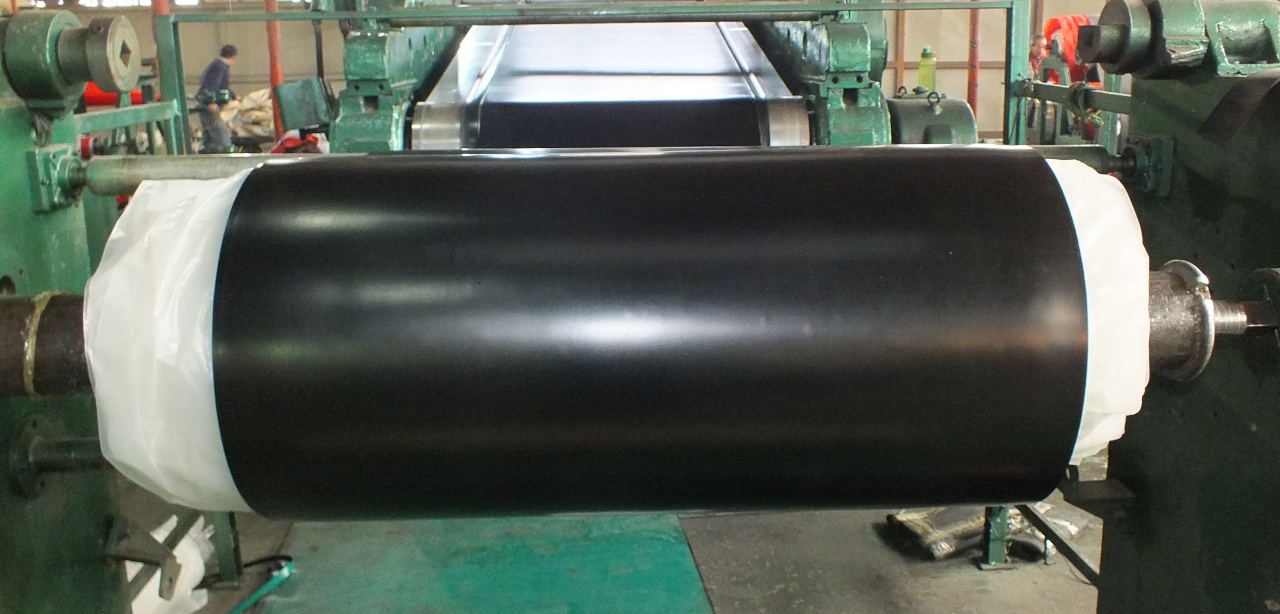
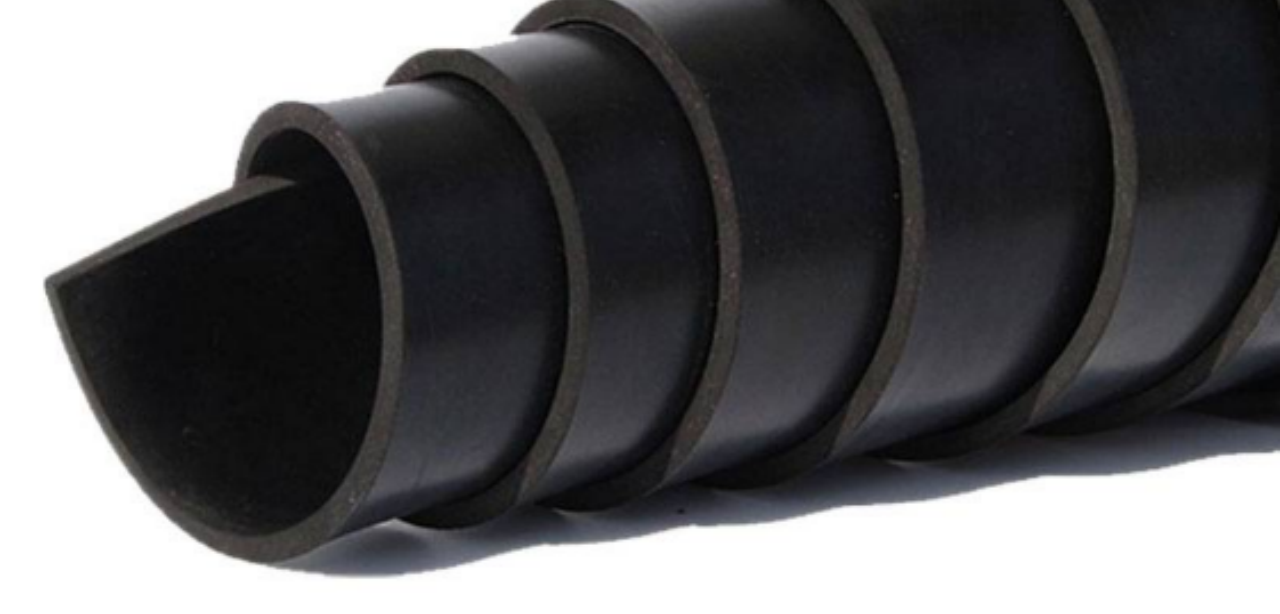
Solid particles in mineral slurries wear down bare pipe walls through high-velocity friction. Harsh acids corrode steel tanks from the inside by breaking down the alloy bonds. Rubber lining acts as a tough, highly flexible shield bonded directly between bare steel and whatever aggressive medium you pump.
It absorbs particle impact: Sharp rocks and coarse minerals in slurry bounce right off natural rubber. The elastomeric matrix flexes under impact and springs back instantly, leaving the steel pipe wall untouched.
It blocks chemical attack: A dense synthetic rubber layer stops aggressive acids, alkalis, and salt solutions from contacting bare metal, stopping internal rust, pitting, and structural leaks.
It protects your bottom line: Replacing a worn rubber sheet inside a vessel is cheap and fast. Replacing a custom-welded steel pipeline loop or a massive acid storage tank is not.
NR vs. IIR: Which Rubber Compound Do You Need?
Using the wrong rubber compound means paying for chemical protection in a heavy wear zone, or watching an acid tank ruin a wear-grade sheet in weeks. Matching the elastomer to your specific flow medium is critical for service life.
1. NR Rubber Lining (Natural Rubber for Wear & Abrasion)
Your main threat: High-speed slurry flow, sliding abrasion, coarse sand, and heavy particle impact.
Where you install it: Mining slurry pipelines, tailing discharge lines, hydrocyclones, chutes, pump casings, and gravel hoppers.
Why it works: Natural rubber delivers high elasticity, superior tear resistance, and high tensile strength. It yields smoothly under sharp solids and snaps back without tearing. Operates reliably across temperatures from -40°C to +80°C.
2. IIR Rubber Lining (Butyl Rubber for Chemical Corrosion)
Your main threat: Concentrated acid attack, strong alkalis, oxidizing chemicals, and elevated fluid temperatures.
Where you install it: Hydrochloric acid storage tanks, sulfuric acid piping, chemical reaction vessels, and industrial water treatment tanks.
Why it works: Butyl rubber features an extremely dense molecular structure with ultra-low gas and liquid permeability. Acid molecules cannot pass through it to reach your steel wall. It handles higher operating temperatures up to +120°C.
How to Calculate the Right Rubber Thickness
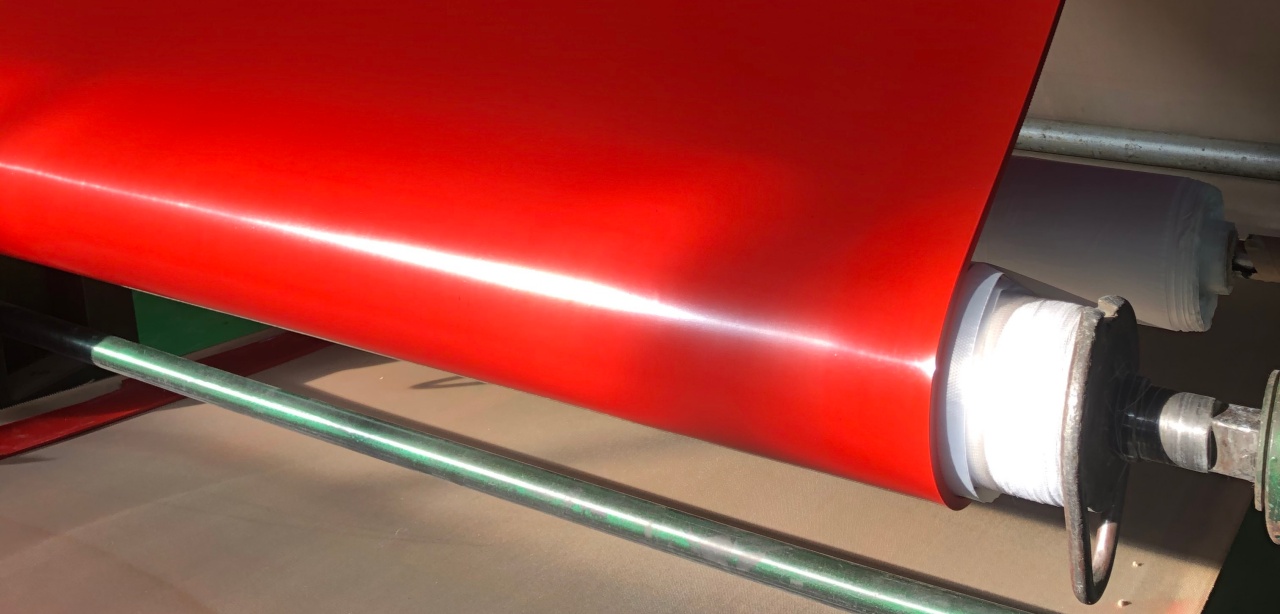
Selecting the correct lining thickness stops you from overspending on raw materials or under-protecting your pipe walls. Match your rubber thickness to your operational severity:
3mm to 5mm Thickness: Ideal for static chemical storage tanks, low-velocity liquid lines, small-diameter pipes, and areas with light sliding wear and zero heavy impact.
6mm to 10mm Thickness: The standard industrial choice for medium-speed slurry transport lines, flotation cells, large storage tanks, and general mineral processing chutes.
12mm to 25mm Thickness: Heavy-duty protection engineered for high-impact zones, pipe bends, cyclone feed inlets, discharge launders, and primary slurry lines carrying large, coarse rocks.
Why Rubber Linings Fail (And How to Prevent It)
Most premature lining failures do not happen because the rubber wore out. They happen because the bond between the rubber and the steel failed, leading to delamination, bubbling, and sheet detachment.
1. Poor Surface Preparation
If your steel interior has rust, grease, or moisture, cold bonding adhesives cannot grip the metal. You must grit-blast the steel substrate to SA 2.5 cleanliness standards before applying primer.
2. Lack of a CN Bonding Layer
Grinding smooth rubber sheets on site by hand creates uneven texture and wastes labor hours. Rubber sheets built with a factory-applied CN layer bond chemically with cold vulcanizing adhesive, increasing adhesion strength by up to 50%.
3. Delamination in Steel Tanks
Tank walls undergo subtle flexing due to liquid pressure changes. Factory pre-sanded rubber sheets create a uniform, high-friction texture that holds adhesive tight, preventing the rubber from peeling away from vertical steel walls over time.
Features That Cut Your On-Site Installation Time
Keeping a pipeline or processing tank offline costs your operation thousands of dollars every hour. Look for these built-in manufacturing features to speed up installation:
Self-Healing Rubber Surface: Minor surface scratches on natural rubber liners seal back up under system pressure before they turn into deep structural cracks.
Pre-Applied CN Bonding Layer: The pre-cured CN backing eliminates the need for manual rubber buffing on site, cutting field installation time by up to 30%.
Four Simple Steps for On-Site Cold Bonding
Installing pre-cured rubber sheets using cold vulcanizing adhesive is fast and requires no heating equipment:
Prepare the Metal: Blast the interior steel surface to SA 2.5 standard to remove all rust, mill scale, and contaminants.
Apply Metal Primer: Brush a single, uniform coat of metal bonding primer onto the clean steel and allow it to dry completely.
Apply Cold Vulcanizing Cement: Apply an even coat of two-component cold vulcanizing adhesive to both the prepared steel wall and the CN layer on the rubber sheet.
Stitch and Roll the Sheet: Press the rubber sheet firmly onto the steel. Use a heavy handheld roller (stitcher) from the center outward to push out all trapped air bubbles and guarantee full contact.
Custom Sizes to Fit Any Equipment Profile
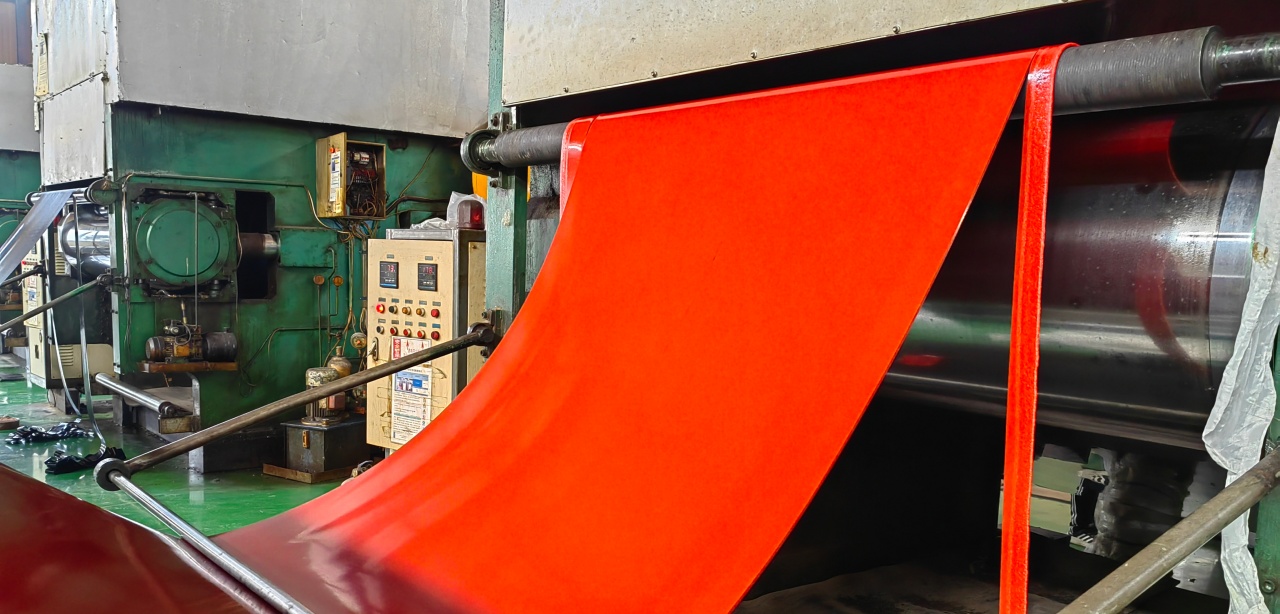
You can order rubber lining sheets cut to your exact system dimensions so your crew avoids waste on site:
Thickness Options: Standard thickness ranges from 3mm up to 25mm.
Roll Dimensions: Standard widths run from 0.6 to 2.0 meters, with roll lengths from 1 to 30 meters. Custom roll sizes are available for large storage vessels and custom chutes.
Color Coding: Choose from red, tan, brown, black, and gray to color-code different chemical lines or wear zones across your plant.
The True Cost: Rubber Lining vs. Equipment Replacement
Consider the financial reality of running bare metal pipes in a mineral processing plant:
Bare Metal Setup: Unprotected carbon steel pipes carrying abrasive slurry often wear through within 3 to 6 months. You must buy new steel pipes, hire certified welders, shut down the production line, and replace the entire pipe section.
Rubber-Lined Setup: A properly installed 10mm natural rubber lining protects the same steel pipe for 3 to 5 years or longer. When the rubber eventually wears down, your crew simply peels out the old liner and cold-bonds a new sheet inside—without replacing the steel pipe itself.
Typical Industrial Applications
Mining & Mineral Processing: Slurry transport pipes, tailing lines, hydrocyclones, pump casings, flotation cells, and discharge launders.
Chemical Processing: Acid holding tanks, bulk chemical transport pipes, reaction vessels, and scrubbing towers.
Power Generation & FGD: Flue gas desulfurization slurry loops, limestone slurry pipes, and raw water treatment tanks.
Bulk Material Handling: Ore chutes, hopper liners, conveyor transfer points, and concrete mixing troughs.
Stop Guessing and Protect Your Equipment Today
You should not have to guess whether NR or IIR lining fits your specific slurry velocity or acid concentration. Every batch of rubber lining from AOBO undergoes strict Akron abrasion testing and rotating drum wear testing (ISO 4649 / DIN 53516 standards) to ensure it performs as promised under harsh field conditions.
Tell us what material is moving through your pipes or sitting in your tanks. We will help you choose the exact rubber compound, thickness, and bonding layer for your project.
Contact AOBO Today to get a fast quote, download technical data sheets, or request free product samples for testing!
 English
  Spanish
  Russian
  Arabic
  German
