
If you run a conveyor system, you already know how much your pulleys take on every day. Belts slipping, rollers wearing out, rust creeping in. A lot of that comes down to one thing: bare steel just isn’t built to grip a belt well. That’s where pulley lagging comes in, sometimes also called a lagged pulley or lagging pulley, or drum lagging when it’s on a drive drum. But once you start looking at options, you hit a new question fast: diamond pattern or flat pattern? Here’s what you actually need to know.
What Is Pulley Lagging?
Pulley lagging is a layer of rubber bonded to the surface of your conveyor pulley. Think of it as a non-slip outer layer for your roller. Instead of your belt riding on bare metal, it rides on rubber, which grips much better and wears a lot slower. At AOBO, we make rubber pulley lagging using a mix of natural and synthetic rubber. Our pulley lagging sheet, sometimes called rubber lagging sheet, comes with different surface patterns, different thicknesses, and different bonding options, so you can match the pulley lagging material to your exact setup.
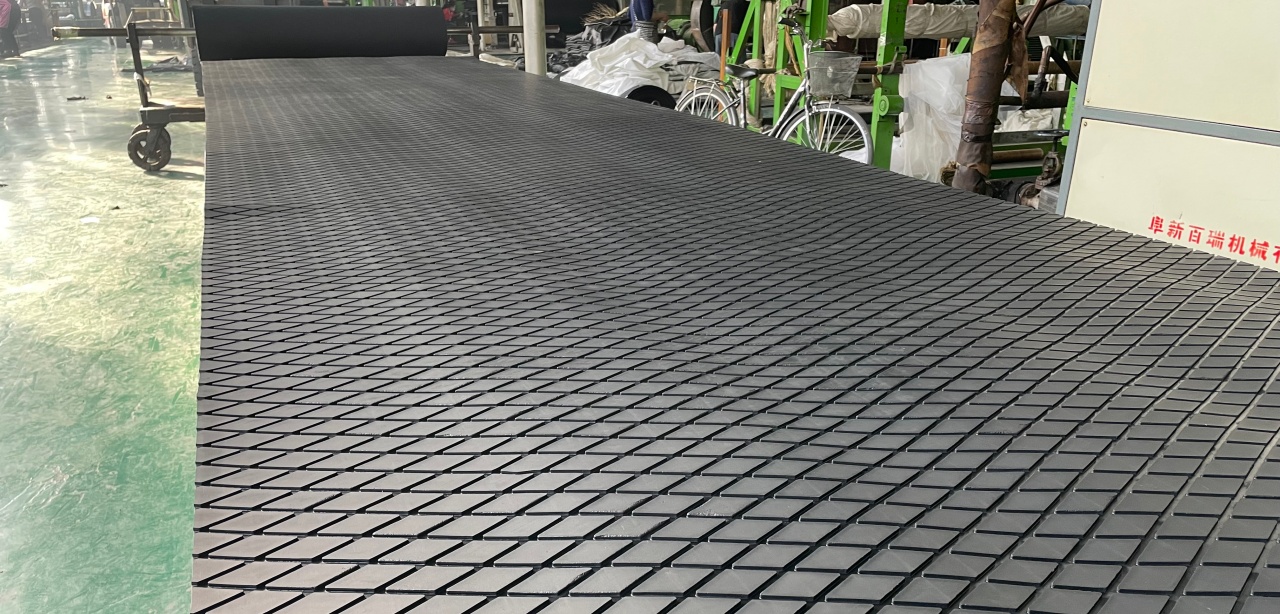
Why Your Conveyor Pulley Needs Lagging
Bare steel pulleys have a problem: Don’t have enough friction. When your belt can’t grip the pulley well, it will slip. Slipping wastes energy, wears out your belt faster, and can even stop your whole line if it gets bad enough. Steel pulleys also rust and corrode over time, especially in wet or outdoor conditions. Once rust sets in, grip gets even worse. Pulley lagging fixes both problems at once. Whether you call it conveyor pulley lagging or just lagging pulley, it boosts the friction between your belt and pulley, so you get less slipping and more stable material flow. And it covers the steel, protecting it from rust, corrosion, and daily wear.
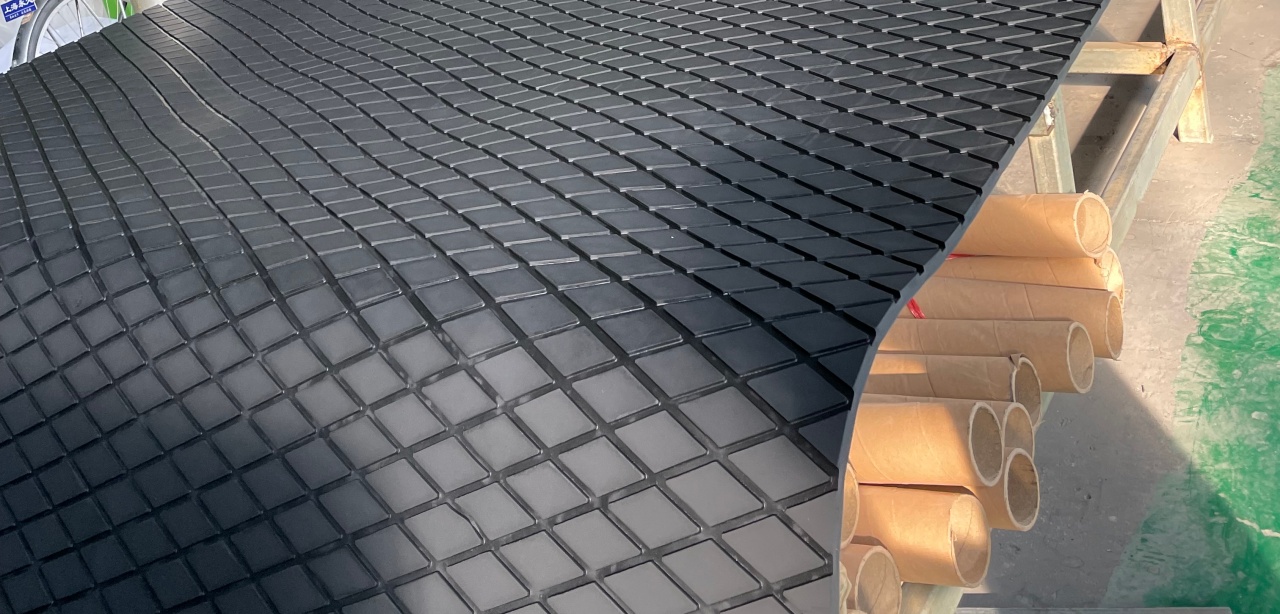
The Difference between Diamond Pulley Lagging and Flat Pulley Lagging
Rubber pulley lagging mainly comes in two surface types: diamond pattern and flat pattern. They look different, and they work differently too.
Diamond Pattern: Best for Wet, Heavy-Load Conditions
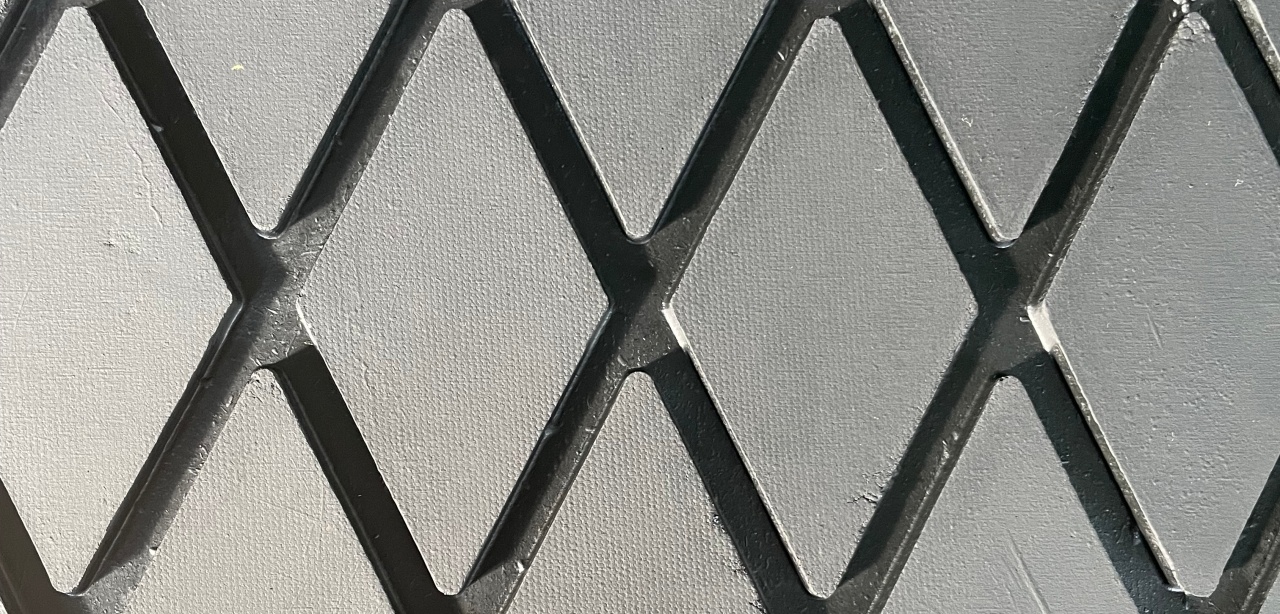
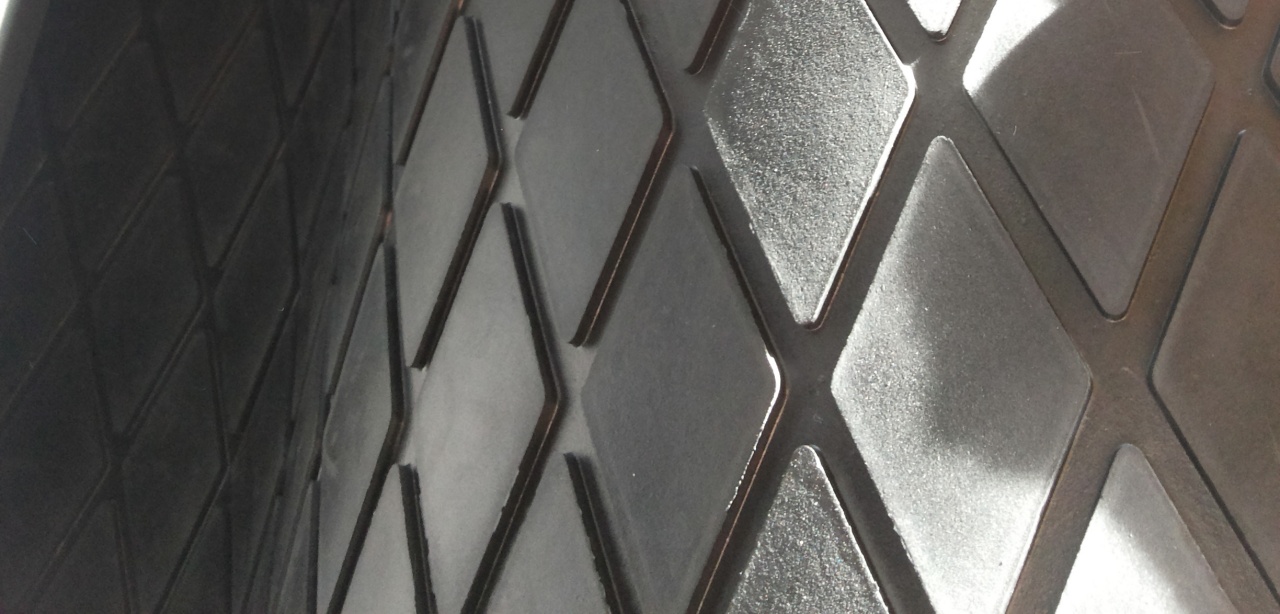
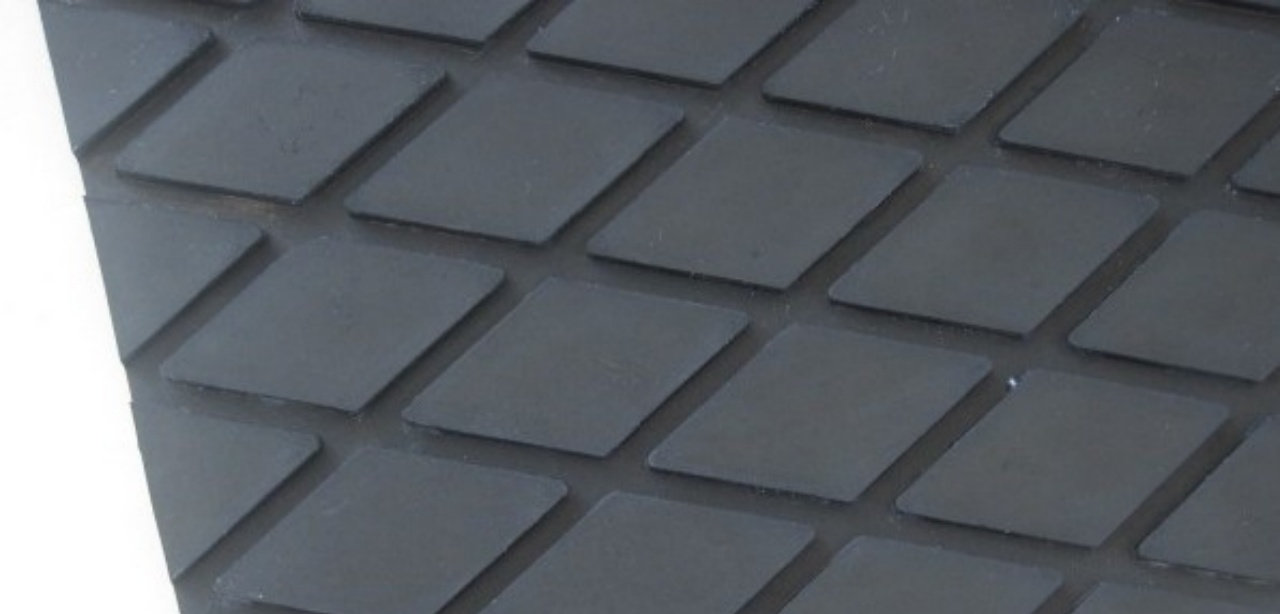
Diamond pattern lagging has raised diamond shapes across the surface. These raised sections grip the belt hard and also let water and debris channel away, instead of building up between the belt and pulley. This makes diamond pattern the top choice for tough, demanding environments: mines, ports, and any setup where you’re moving heavy loads at high speed, especially in wet or muddy conditions. AOBO offers four different diamond pattern sizes, so you can match the pattern to your roller size and load.
Flat Pattern: Best for Dry, Low-Speed Conditions
Flat pattern lagging has a smooth surface. No raised shapes, no grooves, just a simple rubber layer. It’s a straightforward build, and it costs less to maintain over time. Flat pattern works well in dry, low-speed settings where you don’t need extra drainage or heavy-duty grip. If your setup doesn’t deal with wet, high-load conditions, flat pattern can be all you need.
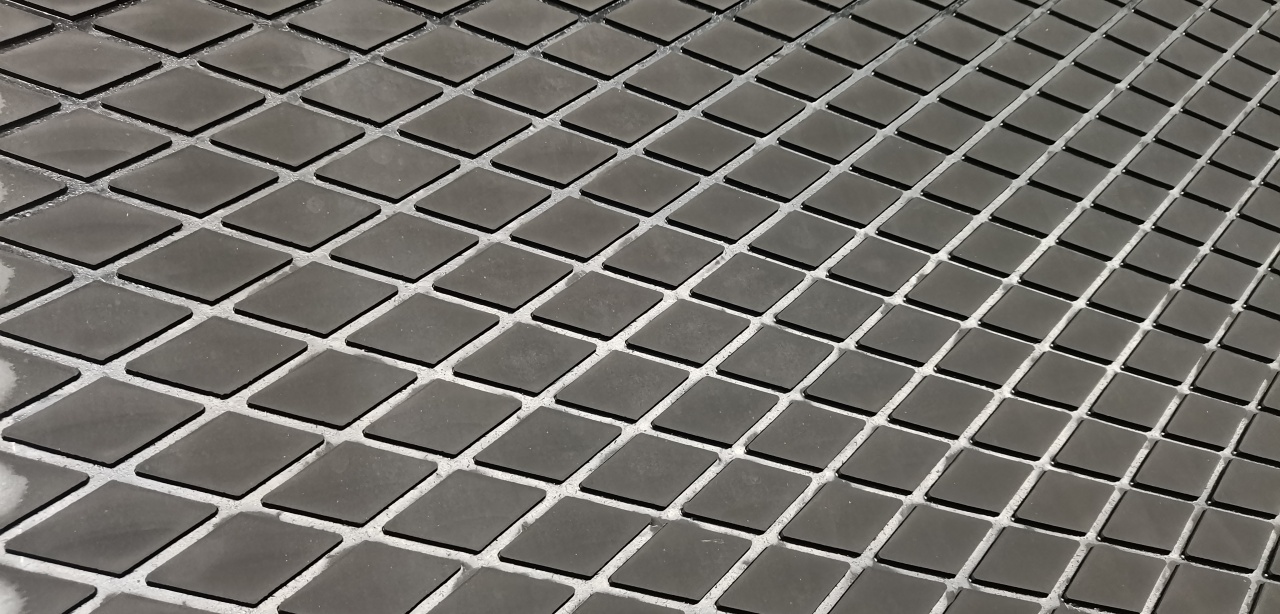
How Pulley Lagging Is Installed and Bonded to the Roller
Getting lagging to bond well isn’t just about slapping rubber onto steel. Here’s the basic process:
- Measure the roller. Get the circumference and width right, then cut your pulley lagging sheet to size.
- Prep the surface. Grind the roller down to a clean, rough, rust-free surface, then wipe it down with a cleaner.
- Apply the bonding agents. A metal treatment agent goes on first, followed by an adhesive layer. Some rubber lagging comes with a CN layer already built in on the back. This is a semi-vulcanized layer that bonds strongly with cold adhesive, so you skip the grinding step on the rubber side. You still need to apply adhesive either way; the CN layer just makes that adhesive bond faster and stronger.
- Bond the rubber to the roller. Once the adhesive reaches the right tack, press the rubber onto the roller, roll it down firmly, and tap it with a hammer to knock out any trapped air bubbles.
A good CN layer on the back of your lagging makes this whole process faster and holds tighter over time, which means less risk of the rubber peeling off down the road.
How Long Does Pulley Lagging Last?
Under normal working conditions, pulley lagging typically lasts 3-5 years. In heavier conditions, like mining, that drops to around 2-3 years, simply because the material handles more abrasive load and more moving stress.
A few things affect how long yours will hold up:
Working environment — wet, dusty, or corrosive conditions wear lagging down faster
Belt speed and load weight — faster, heavier operations put more stress on the surface
Material abrasiveness — ore wears lagging down faster than something like grain
Cleaning and maintenance — regular cleaning keeps hard particles from grinding into the surface over time
Choosing the Right Pulley Lagging from AOBO
At AOBO, we’ve been making rubber pulley lagging for over 20 years. Whatever you call it, lagged pulley, lagging pulley, or drum pulley lagging, we offer both diamond and flat patterns, in a range of thicknesses and hardness levels, so you’re not stuck choosing between “close enough” options. Not sure whether diamond or flat pattern fits your setup? Tell us your roller size, load, and working conditions, and our team can walk you through the right choice, free of charge. Reach out to AOBO today to get a quote on rubber pulley lagging built for your conveyor system.
 English
  Spanish
  Russian
  Arabic
  German
